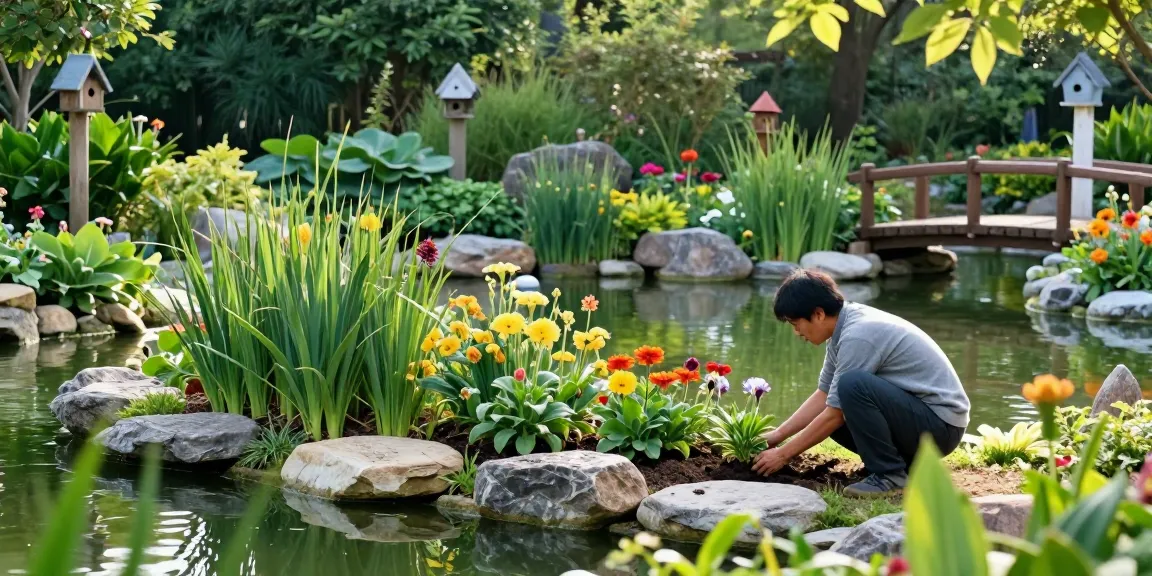
Understanding Marginal Pond Plants
Marginal pond plants are an essential component of garden ponds and aquatic systems, serving multiple roles that benefit both the environment and the aesthetics of your outdoor space. Typically found at the water’s edge, these plants thrive in shallow areas, providing a lush transition from water to land. When exploring options, Marginal Pond Plants offer a diverse range of species suitable for various climates and conditions, making them accessible for both novice and experienced gardeners.
What Are Marginal Pond Plants?
Marginal pond plants are those that grow along the edges of water bodies where soil is moist but not submerged. These plants can vary greatly in size, shape, and color, encompassing a variety of species that range from grasses and sedges to flowering plants. Their position at the water’s edge allows them to play a vital role in the ecosystem by stabilizing the pond’s banks, providing habitat for wildlife, and reducing erosion.
Importance of Marginal Plants in Aquatic Ecosystems
The significance of marginal pond plants extends beyond their aesthetic appeal. They serve as a natural filter, improving water quality by absorbing nutrients and pollutants. Additionally, these plants provide shelter and breeding grounds for fish, amphibians, and various insects, thus enhancing biodiversity. Their root systems help to anchor the soil, preventing sediment from washing into the deeper parts of the pond, which also helps maintain clarity in the water.
Types of Marginal Pond Plants
There is a wide array of marginal pond plants available, each offering unique benefits and characteristics. Some popular types include:
- Pickerel Rush (Pontederia cordata): Known for its vibrant blue flowers, this plant thrives in shallow water and attracts pollinators.
- Blue Flag Iris (Iris versicolor): With beautiful purple blooms, this iris tolerates wet soils and provides excellent erosion control.
- Marsh Marigold (Caltha palustris): This early spring bloomer has bright yellow flowers and is a favorite among pollinators.
- Water Mint (Mentha aquatica): Recognized for its aromatic leaves, this plant can be a wonderful addition for culinary purposes as well.
- Sedges (Carex spp.): These grass-like plants provide excellent ground cover and are effective in preventing soil erosion.
Choosing the Right Marginal Pond Plants for Your Garden
Selecting the appropriate marginal pond plants can significantly affect the health and beauty of your pond. Various factors must be taken into account to ensure that your chosen plants thrive and fulfill their intended roles within the ecosystem.
Factors to Consider When Selecting Plants
When choosing marginal pond plants, consider your local climate, soil type, and the specific conditions of your pond, such as light and water flow. Additionally, think about the size of your pond and how many plants it can accommodate without overcrowding. A successful planting strategy involves researching each plant’s growth habits and ensuring it aligns with your pond’s environmental conditions.
Climate and Soil Compatibility
Different marginal pond plants have varying requirements for soil moisture, sunlight, and temperature tolerance. Before making your selections, it is crucial to evaluate whether your local climate supports the growth of the plants you are considering. For example, tropical plants like the Water Lily may not thrive in colder regions, while others, like the Blue Flag Iris, can tolerate a range of temperatures.
Native vs. Non-native Marginal Plants
Choosing native marginal pond plants is often the best approach for supporting local wildlife and maintaining balance within the ecosystem. Native species are adapted to the local environment, making them more resilient and less likely to require excessive care. Conversely, non-native plants, while often visually appealing, can sometimes become invasive and disrupt local ecosystems. Therefore, research which plants are native to your region for optimal results.
Planting and Maintenance Tips
Successfully integrating marginal pond plants into your garden requires not just careful selection, but also proper planting and maintenance practices. Establishing your plants correctly will ensure they flourish and contribute positively to your pond’s health.
How to Plant Marginal Pond Plants Effectively
To plant marginal pond plants, begin by preparing the site where they will be placed. Remove any debris and weeds, and ensure the soil is damp but not oversaturated. Dig holes that are spacious enough for the root systems and carefully place the plants in the ground or in pots that will sit at the water’s edge. Ensure that the tops of the plants are above the water level to avoid rot.
Watering and Nutrient Requirements
Although marginal pond plants thrive in wet environments, they still require appropriate watering and fertilization. Initially, keep the soil consistently moist as the plants establish their root systems. Afterward, monitor the plants regularly. Most species will benefit from organic fertilizers applied during the growing season to encourage healthy growth.
Common Pests and Diseases to Watch For
Marginal pond plants can be susceptible to various pests, such as aphids and snails, as well as fungal diseases. Regularly inspect your plants for signs of infestation or disease, such as discoloration or wilting. If problems arise, consider using organic pesticides or disease-resistant plant varieties to minimize impact on the ecosystem.
Creating a Balanced Pond Ecosystem
Achieving a balanced pond ecosystem is essential for its longevity and health. Marginal pond plants play a crucial role in this balance, enhancing water quality and fostering biodiversity.
Role of Marginal Plants in Water Quality
Marginal pond plants contribute significantly to water quality by removing excess nutrients that can lead to algal blooms. Their root systems filter pollutants and sediment, ensuring clearer water, which is vital for aquatic life. Additionally, they provide shade, which helps regulate water temperature and further supports a healthy ecosystem.
Companion Planting with Aquatic Species
Companion planting in ponds can create a dynamic and visually appealing environment. Pairing marginal plants with deeper aquatic species, like Water Lilies, enhances biodiversity and can improve water conditions. Consider incorporating contrasting foliage and flower colors to create an aesthetically pleasing arrangement that encourages wildlife.
Encouraging Wildlife Around Your Pond
Marginal pond plants not only beautify your garden but also attract various forms of wildlife, from frogs and dragonflies to birds and butterflies. To encourage wildlife, ensure that your pond has a variety of plant species, as well as places to bask and hide. Incorporating rocks and logs can provide additional habitat space for these animals.
Future Trends in Pond Garden Design
As gardening practices evolve, so do the designs of pond gardens. The incorporation of marginal pond plants is poised to become a focal point in creating sustainable and aesthetically pleasing outdoor spaces.
Innovative Designs Incorporating Marginal Plants
Pond garden designs are increasingly seeking to integrate marginal plants into their overall aesthetic, using them to soften edges and create natural transitions. Raised beds with built-in water features allow for innovative placements of these plants, resulting in stunning visual displays.
Eco-friendly and Sustainable Gardening Practices
There’s a growing emphasis on eco-friendly gardening practices, promoting native marginal pond plants that require less water and fertilizer. Using organic methods and natural pest control can help maintain a healthy pond ecosystem while minimizing environmental impact.
Predictions for Marginal Pond Plant Popularity in 2026
By 2026, the popularity of marginal pond plants is expected to rise as more gardeners recognize their environmental benefits and aesthetic value. With increased awareness of biodiversity and sustainability, more people will likely emphasize creating harmonious aquatic ecosystems within their gardens.
What are the best Marginal Pond Plants for beginners?
Beginners looking to enhance their ponds should consider hardy plants like Marsh Marigold, Pickerel Rush, and Blue Flag Iris. These species are relatively easy to grow and maintain, providing both beauty and functionality for new gardeners.
How do Marginal Pond Plants benefit wildlife?
Marginal pond plants benefit wildlife by providing shelter, breeding grounds, and food sources. Their lush foliage serves as hiding spots for smaller creatures while attracting pollinators and birds.
What maintenance do Marginal Pond Plants require?
Maintenance for marginal pond plants generally includes regular watering during dry spells, occasional pruning to prevent overgrowth, and monitoring for pests and diseases. Ensuring a balanced ecosystem will also improve their health and longevity.
Can Marginal Pond Plants survive in shaded areas?
Some marginal pond plants can tolerate partial shade, but it is essential to choose species that thrive in such conditions. Plants like Water Mint and certain varieties of sedges are better suited for shadier environments compared to others that require full sun.
How to propagate Marginal Pond Plants effectively?
Propagating marginal pond plants can typically be achieved through division or cuttings. For instance, dividing clumping plants in early spring encourages growth, while taking cuttings from healthy plants allows for new establishments in different areas of your pond or garden.