Understanding Ice Makers
What is an Ice Maker?
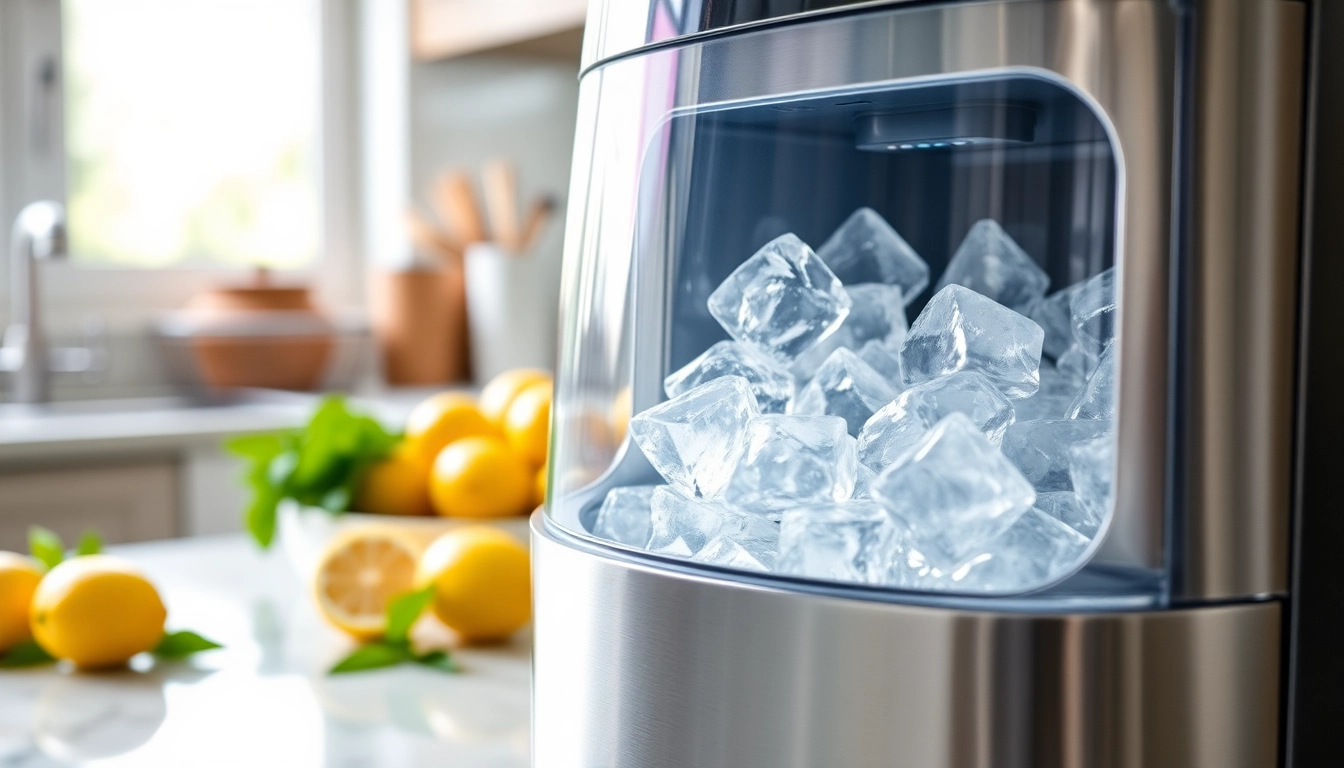
An ice maker is a device designed to produce and dispense ice automatically. It can be a standalone appliance or built into a refrigerator. Ice makers provide a convenient way to ensure you always have ice on hand for beverages, coolers, and other needs without the hassle of filling trays or purchasing bags from the store. You can find various options, including portable models ideal for parties and countertop types that fit into cramped spaces. If you’re considering this appliance, an ice maker can be a practical addition to your home.
Types of Ice Makers Available
Ice makers come in various styles to meet different needs, including:
- Countertop Ice Makers: These are compact and perfect for home use, creating a limited quantity of ice quickly.
- Freestanding Ice Makers: Larger units often designed for high output, suitable for gatherings and parties.
- Built-In Ice Makers: Integrated into kitchen cabinetry, providing a seamless look with your kitchen appliances.
- Commercial Ice Makers: For businesses requiring high volumes of ice, these machines are robust and efficient.
Benefits of Owning an Ice Maker
Investing in an ice maker offers several advantages, such as:
- Convenience: Always have ice on hand without needing to plan ahead.
- Variety: Choose from different ice types, such as nugget, cube, or flake.
- Cost-Efficiency: Save money over time compared to buying bags of ice.
- Space-Saving: Many models are compact and designed for kitchens with limited space.
Key Features to Consider in an Ice Maker
Size and Capacity of the Ice Maker
The size of the ice maker is crucial. It should fit your space and meet your ice consumption needs. Countertop models typically produce between 20 to 28 pounds of ice daily, while freestanding units may produce significantly more. Consider how much ice you typically use and choose an appropriate capacity to avoid running out during occasions.
Ice Shape and Texture Options
Different ice makers produce various types and shapes of ice, which can enhance the drinking experience. Here are some popular options:
- Cubes: Traditional ice cubes suited for most beverages.
- Nugget: Chewable and popular for soft drinks and cocktails.
- Flake: Thin, thin ice often used for food displays.
Noise Levels and Energy Efficiency
These features are particularly important for home use. Look for models that operate quietly and are energy-efficient. Many modern ice makers come with Energy Star ratings, ensuring they meet stringent efficiency guidelines, leading to lower utility bills over time.
How to Use an Ice Maker Effectively
Installation and Setup Tips for Your Ice Maker
Proper installation is key to the functionality of your ice maker. Follow these tips:
- Read the manual thoroughly before installation.
- Ensure there is a water supply/ice maker kit if required.
- Place it on a level surface for proper operation and optimal ice production.
Maintaining Your Ice Maker for Longevity
Regular maintenance will prolong the life of your ice maker. Here are some upkeep steps:
- Clean the interior and exterior regularly using mild detergent.
- Check and change the water filter regularly if applicable.
- Inspect for ice buildup and remove as needed.
Ideal Placement for Maximum Efficiency
Place your ice maker in a cool, well-ventilated area away from heat sources. Avoid direct sunlight as it can cause the machine to work harder and use more energy. Proximity to water and drainage also helps in efficient operation.
Common Issues with Ice Makers
Troubleshooting Your Ice Maker
Inevitably, issues may arise with an ice maker. Common problems include:
- Ice Maker Not Producing Ice: Check the water supply and filters.
- Noise Issues: Frequent noise may indicate an issue with the compressors or fans.
When to Call a Professional for Repairs
If troubleshooting does not resolve the issue, you may need to call a professional. Signs that it’s time to seek help include persistent leaks, unusual noises, or the unit not operating whatsoever after attempts to reset it.
Cost-Effective Solutions for Common Problems
For minor issues, consider DIY fixes to save money. Simple repairs such as adjusting water supply lines, cleaning components, or using vinegar for scaling can often resolve common freezing problems without needing professional assistance.
Comparing Popular Ice Maker Models
Top Features of Leading Ice Makers
When choosing an ice maker, consider the following features:
- Production capability (amount of ice per day).
- Type of ice produced (cube, nugget, flake).
- Dimensions, especially for countertop models.
- Energy efficiency rating.
- Warranty and customer service support.
Price Ranges and Value Considerations
Ice makers can range significantly in price depending on the features and capacity. Expect to pay between $100 and $500. Evaluate your usage and budget before making a decision to ensure you get the best value for your investment.
Consumer Reviews and Recommendations
Before finalizing a purchase, check consumer reviews to gain insights into user experiences. Look for ratings on product longevity, efficiency, and customer service satisfaction. Reliable reviews can give prospective buyers a good understanding of what to expect.
FAQs about Ice Makers
1. Is it worth buying an ice maker machine?
Yes, an ice maker provides convenience and saves trips to stores, especially during events or gatherings.
2. How often should I clean my ice maker?
It’s advisable to clean your ice maker at least once every 3-6 months to maintain its efficiency and ice quality.
3. Can I use regular water in my ice maker?
Using filtered water is best to avoid mineral buildup, which can affect the taste and ice quality.
4. What is the average lifespan of an ice maker?
With proper care, a well-maintained ice maker can last between 5 to 10 years.
5. Can I install my ice maker myself?
Many ice makers are designed for easy installation. However, ensure you follow the guidelines in the manual, especially regarding water connections.