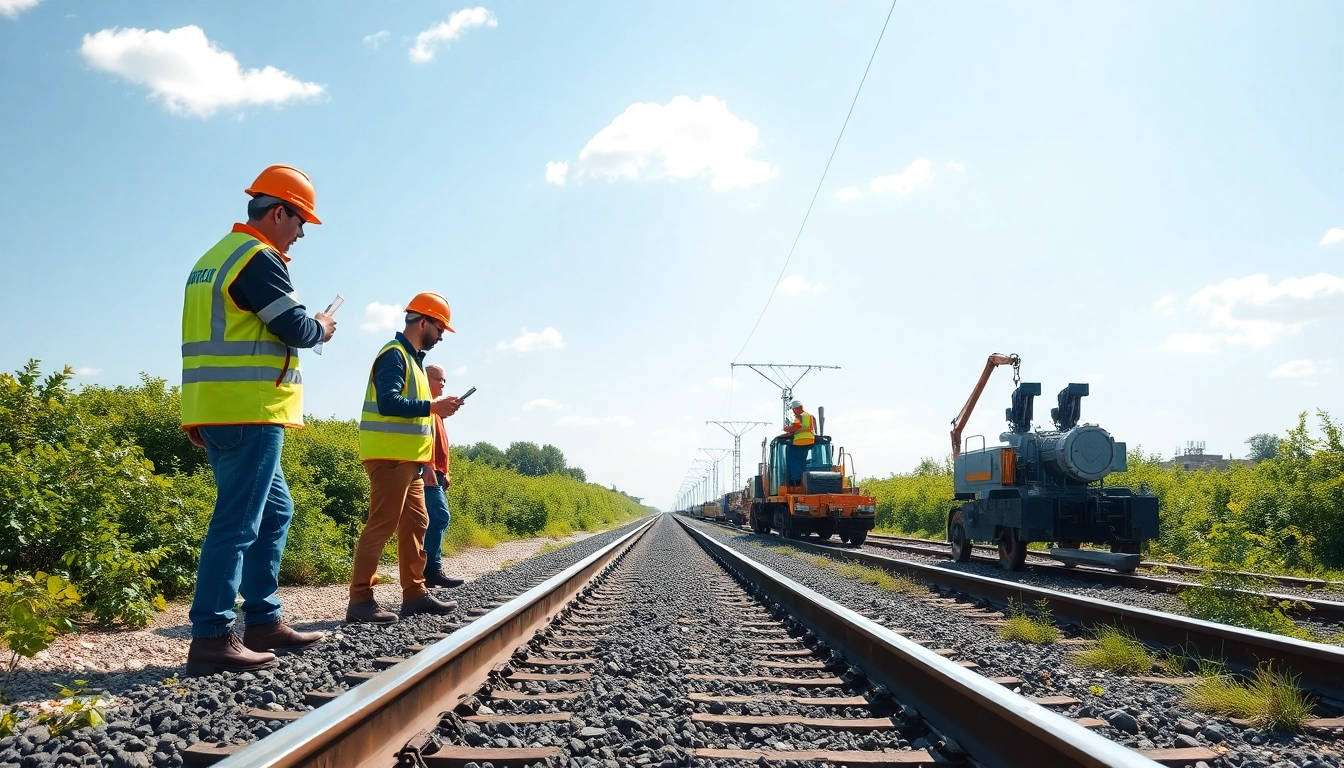
Introduction to the New York Commercial General Contractor
Choosing the right general contractor is a crucial decision for any commercial construction project. A reliable New York Commercial General Contractor can greatly influence the success of your project, ensuring that it meets both your vision and regulatory standards. In this article, we will explore the significance of commercial general contractors, the landscape of the New York construction industry, and how to select a contractor that aligns with your project goals.
What is a Commercial General Contractor?
A commercial general contractor is a professional responsible for overseeing and managing construction projects in various capacities, including commercial, residential, and industrial buildings. Their role can encompass a multitude of responsibilities including, but not limited to, planning, coordination, budgeting, and communications with various stakeholders. This contractor serves as the main point of contact for the project and is crucial in bringing architectural plans to life.
Importance of Choosing the Right Contractor
The impact of selecting the right contractor cannot be overstated. A skilled New York Commercial General Contractor brings a wealth of expertise that can enhance construction efficiency, reduce risks, and ensure adherence to schedules and budgets. Poor choices can lead to costly delays, quality issues, and compliance failures. Therefore, thorough research and consideration of potential general contractors is essential to secure the success of your construction endeavors.
Overview of Construction Industry in New York
The construction industry in New York has always been a vibrant and dynamic sector, characterized by its rapid development and regulatory complexities. The market includes a wide array of projects from commercial skyscrapers to specialized structural developments. NYC’s geographical, economic, and demographic attributes uniquely shape its construction landscape, demanding general contractors that are adept at navigating these challenges.
Key Responsibilities of New York Commercial General Contractor
Project Management Essentials
Project management is a core responsibility of any New York Commercial General Contractor. This involves coordinating various activities from the pre-construction phase through to project completion. Effective management includes creating detailed timelines, ensuring that tasks are assigned appropriately, and that deadlines are met. Utilizing project management software can streamline these processes, allowing for better real-time communication and adjustments as necessary.
Cost Estimation and Budget Management
A crucial aspect of any construction project is accurate cost estimation. A seasoned contractor can provide detailed budgeting that considers materials, labor, permits, and unexpected expenses. They play an important role in managing financial resources to avoid overruns. Regular budget reviews and adjustments based on progress can help maintain financial control throughout the project lifecycle.
Safety and Compliance Regulations
Safety is paramount in construction, and a competent contractor ensures that both state and federal regulations are strictly adhered to. This involves conducting safety training sessions, regular inspections, and maintaining compliant working conditions. Failure to comply can not only lead to severe penalties but can also jeopardize the lives of workers and stakeholders involved.
Choosing the Right New York Commercial General Contractor
Evaluating Experience and Expertise
When searching for a New York Commercial General Contractor, evaluating their experience and knowledge in the field is vital. Look for contractors that have handled projects similar to yours in scope and complexity. An extensive portfolio demonstrates their capability and reliability in delivering successful outcomes.
Assessing Project Portfolios
Reviewing a contractor's past projects allows potential clients to gauge their aesthetic sensibility and understanding of project nuances. A comprehensive portfolio should include detailed descriptions, duration of completion, and challenges faced during execution, giving insights into their problem-solving abilities and project management skills.
Understanding Client Testimonials
Client testimonials and reviews provide a candid view into a contractor’s working relationships and project outcomes. Positive feedback from previous clients indicates reliability and performance consistency. Look for patterns in testimonials that highlight strengths pertinent to your specific needs, such as timely completion and quality of work.
Common Challenges Faced by New York Commercial General Contractors
Adapting to Regulatory Changes
The construction industry is subject to a plethora of regulations that can evolve rapidly. Keeping abreast of changes in local, state, and federal law is crucial for contractors. Experienced general contractors develop strong networks with local authorities, ensuring that they remain compliant and can promptly address any regulatory shifts that may impact their projects.
Managing Project Timelines
Time management poses a significant challenge in construction, particularly in a bustling environment like New York City. Delays can arise from numerous factors including weather conditions, supply chain disruptions, and labor shortages. A proactive contractor can anticipate these challenges and implement strategies to keep the project on schedule, such as contingency planning and adaptive resource allocation.
Addressing Client Expectations
Aligning service delivery with client expectations is often a complex endeavor. Effective communication is key, and contractors must be transparent about what can and cannot be achieved within the project parameters. Establishing clear milestones and regular check-ins can help manage expectations and build trust with clients.
Future Trends in the New York Commercial Construction Sector
Innovative Building Technologies
The integration of technology in construction is rapidly changing the industry landscape. From 3D printing to drones for surveying, the adoption of advanced technologies promises more efficient and sustainable construction practices. Contractors should stay informed about the latest technologies that can enhance project efficiency and safety.
Demand for Sustainable Practices
As awareness of environmental impact grows, there is increasing pressure on builders to adopt sustainable practices. Green building materials, waste reduction strategies, and energy-efficient designs are becoming the norm rather than the exception. A forward-thinking contractor should embrace these practices as a key component of project planning and execution.
Impact of Economic Changes on Construction Projects
The economic climate significantly influences the demand for construction services. Changes in interest rates, availability of funding, and shifts in market demand can dictate project viability. Contractors need to be adaptable, developing strategies that allow them to pivot as economic indicators fluctuate, ensuring that they can sustain their business in varying economic conditions.
Frequently Asked Questions
What does a commercial general contractor do?
A commercial general contractor manages construction projects by overseeing day-to-day operations, coordinating with subcontractors, keeping on schedule, and ensuring compliance with safety regulations.
How do I choose the right contractor in New York?
Evaluate contractors based on experience, project portfolios, and client testimonials. Look for those with expertise in projects similar to yours to ensure alignment with your needs.
What are common challenges faced by commercial contractors?
Common challenges include navigating regulatory changes, managing tight timelines, and aligning client expectations with project realities.
Why is safety important in construction?
Safety reduces the risk of accidents and injuries on-site, protecting workers and ensuring compliance with legal standards, which ultimately benefits the project's overall execution.
What trends are shaping the future of construction?
Key trends include the integration of innovative technologies, a growing demand for sustainable building practices, and the influence of economic changes on project planning and financing.