Understanding on-location videography toronto
On-location videography has become an essential aspect of content creation in today's visual-driven world. It involves capturing video footage at specific sites rather than in controlled studio environments. The dynamic nature of shooting in real-world locations allows videographers to create more relatable and engaging content. For those looking to leverage this strategy, exploring comprehensive on-location videography toronto services can lead to producing compelling narratives that resonate with audiences.
What is On-location Videography?
On-location videography refers to the practice of recording video at an external location rather than in a studio. This method brings a unique flair to video content, allowing for natural settings, diverse backgrounds, and authentic atmospheres. It can involve various settings, from urban landscapes to nature reserves, depending on the project’s mood and narrative. By utilizing real-world environments, videographers can foster a more genuine connection with viewers, enhancing the overall impact of the story being told.
Importance of Location in Videography
The choice of location can significantly affect the tone, mood, and emotional resonance of a video project. A well-selected site can add depth to the story, influence the viewer’s perception, and create memorable visuals. Moreover, various locations can evoke different feelings; for example, a cozy café can impart warmth and intimacy, while a bustling urban scene may generate excitement. Hence, understanding the emotional undertones associated with specific locations is crucial for any videography project.
Common Uses for On-location Videography
On-location videography is prevalent in various industries, each utilizing it to run creative campaigns that capture attention effectively. Common uses include:
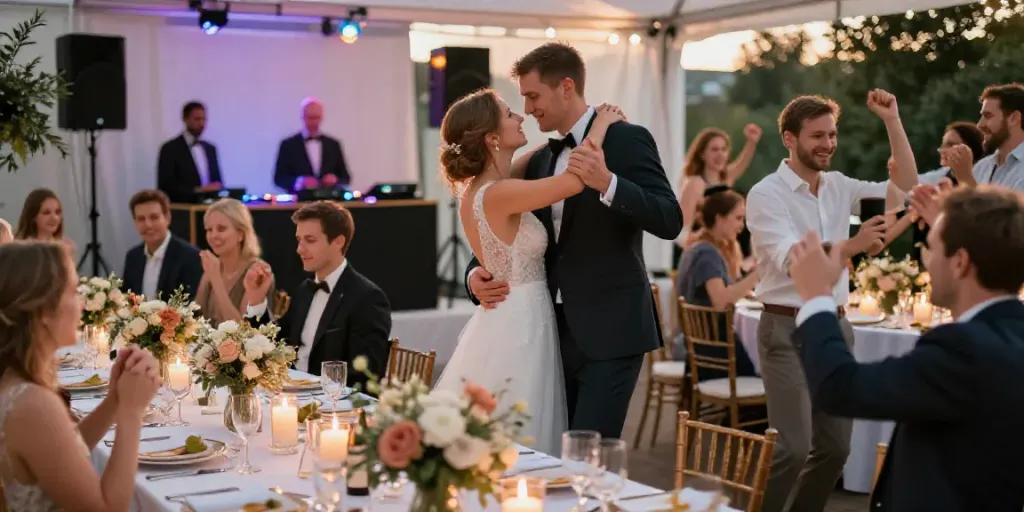
- Event Coverage: Capturing corporate events, weddings, and other significant life milestones.
- Promotional Content: Creating advertisements for products or services that resonate with target audiences.
- Documentaries: Telling real-life stories where location plays a pivotal role in the narrative.
- Real Estate Videos: Showcasing properties in their actual environments enhances appeal to potential buyers.
- Tourism Promotion: Highlighting attractions and experiences in specific locales encourages tourism and exploration.
Benefits of Professional On-location Videography
Engaging a professional for on-location videography can bring transformative benefits to your projects. Just as understanding a good location is key, the artistry of professional videographers can elevate your message to a new level.
Enhanced Storytelling Through Location
The location offers a visual narrative unlike any other, adding layers to storytelling. Professionals can identify elements within a location that can enhance or highlight the theme of the project, making it not only visually appealing but also meaningful. A skilled videographer seamlessly incorporates these location elements into a cohesive, rich narrative, engaging the audience on multiple levels.
High-Quality Production Value
When choosing professional on-location videography services, you gain access to state-of-the-art equipment and experienced personnel. This translates to high-quality visual and audio outcomes, significantly enhancing the production value of your project. Whether it’s managing complex lighting scenarios or ensuring sound clarity amidst potential outdoor noise, professionals bring expertise that improves the overall aesthetic quality.
Boosting Engagement with Visual Content
In an increasingly competitive digital landscape, eye-catching visual content is vital. On-location videography can lead to more captivating visuals that add unique flavor to your video content, facilitating greater audience engagement. Well-done videos encourage viewers to share, comment, and return for more, thereby increasing your reach and impact across various platforms.
Selecting the Right Location for Videography
Deciding on the perfect location is pivotal in the planning phase of any videography project. It can determine the project’s feasibility, budget, and overall success.
Factors to Consider When Choosing a Site
Several factors are key to selecting a suitable location for videography:
- Relevance: Ensure the location aligns with your project’s theme and target audience.
- Logistics: Consider ease of access, permissions required, and availability of necessary facilities.
- Visual Appeal: Assess the natural beauty, architecture, and uniqueness of the site.
- Environmental Considerations: Be aware of the weather conditions and any seasonal factors that may affect shooting.
Popular Locations for On-location Videography toronto
Toronto boasts a variety of stunning locations ideal for on-location videography, including:
- CN Tower: A quintessential Toronto landmark with breathtaking views.
- St. Lawrence Market: A vibrant, bustling atmosphere perfect for capturing local culture.
- High Park: Offers natural beauty for serene and picturesque shots.
- Distillery District: A historical setting filled with stunning architecture and charm.
- Toronto Islands: Provides fantastic waterfront views and outdoor space.
How to Obtain Necessary Permits
Securing permits is critical to ensure a smooth filming experience. Start by researching whether your selected location requires permission to film. This often involves reaching out to local authorities, property owners, or management of public spaces. Prepare documentation outlining your filming schedule and the nature of your project. Advanced planning is vital, as processing times for permits can vary significantly.
Best Practices for On-location Videography
Following best practices can help you maximize the efficiency and quality of your on-location videography sessions.
Preparing Your Crew and Equipment
Assemble a skilled crew familiar with the technical and creative aspects of videography. Conduct preliminary site visits to familiarize your team with the location. Ensure all equipment is carefully prepared, tested, and packed, accounting for potential external challenges during filming, such as weather changes or unforeseen obstacles.
Capturing Optimal Lighting and Angles
Lighting can dramatically influence the quality of your footage. Take advantage of natural light by scouting locations at different times of the day. Utilize reflectors and diffusers to manage harsh shadows and glare. Experiment with various camera angles to find the most compelling perspectives that align with your narrative.
Editing Tips for Location Footage
Post-production is just as crucial as filming when creating a polished final product. Use editing software to enhance the raw footage captured, balancing exposure, color grading, and sound design. Consider incorporating transitions that highlight the location’s features and contribute to the story flow. Background music and sound effects can also elevate the emotional impact of your project.
Frequently Asked Questions About On-location Videography
What is the cost of on-location videography toronto?
The cost varies based on project complexity, crew size, and duration. Generally, packages are customized to fit specific needs and budgets.
How long does it take to receive the final video?
Final delivery time can range from a few weeks to several months, depending on project length, editing complexity, and feedback requirements.
Can I request specific styles or themes?
Absolutely! Discuss your vision with the videographer to tailor the video’s style and theme to your preferences and brand identity.
Do I need to plan my shooting schedule?
Yes, planning a shooting schedule is essential to manage time effectively and accommodate weather conditions and light changes.
What should I prepare before a videography session?
Prepare your script, scout the location, gather necessary permits, and ensure equipment is ready, including backups for crucial gear.