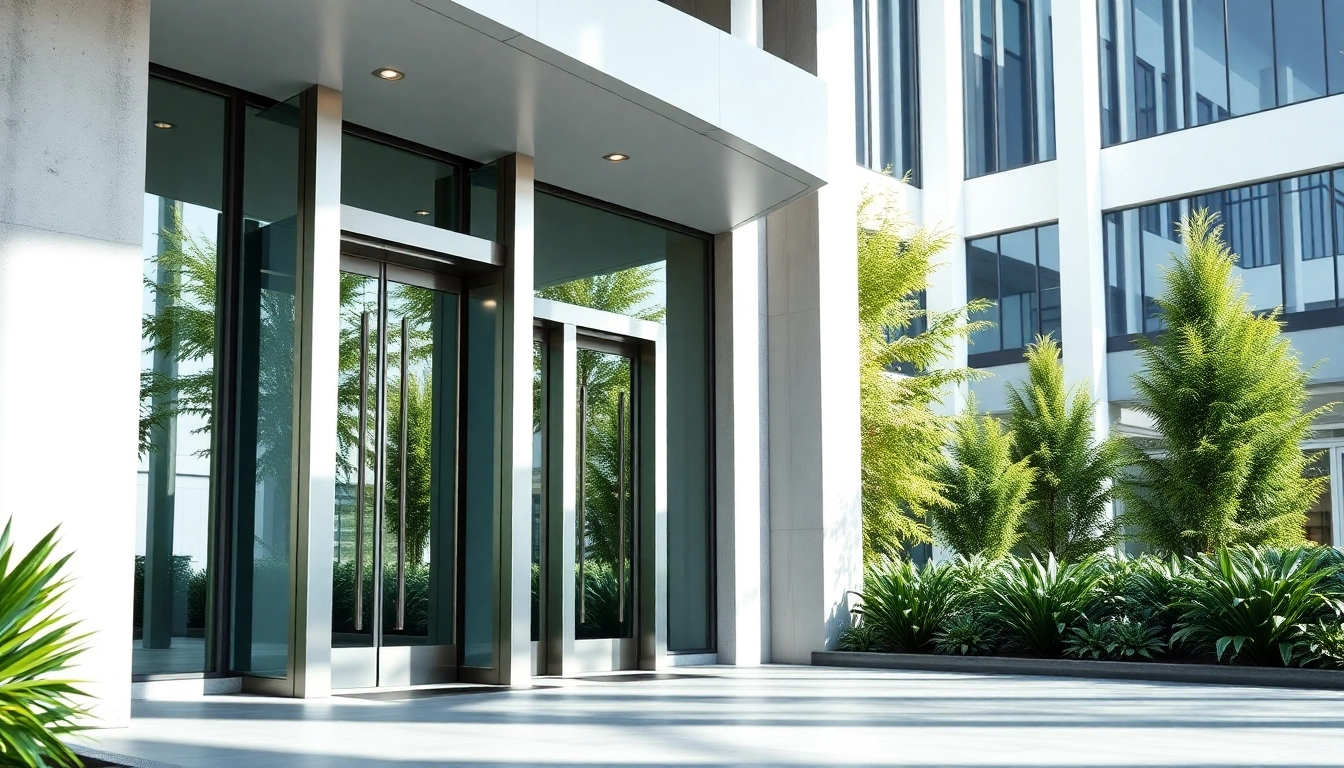
Understanding Evolution Entrance Systems
What are Evolution Entrance Systems?
Evolution Entrance Systems represent a sophisticated blend of design and functionality, aimed at enhancing building access. These systems provide a seamless entry experience, integrating technology to facilitate automated access, security, and convenience. They are meticulously crafted to cater to the needs of modern architecture, delivering aesthetic appeal alongside practical benefits. For more detailed insights into their applications and specifications, Evolution Entrance Systems enable both residential and commercial properties to transform their entry points.
Key Features of Evolution Entrance Systems
When considering Evolution Entrance Systems, it’s essential to understand their prominent features. These include:
- Automated Access Control: This feature streamlines the entry process, allowing users to enter with minimal effort or manual intervention.
- Security Integration: Many systems are equipped with advanced security features, such as biometric scanners or access cards, to enhance safety.
- Aesthetic Versatility: Designed to complement various architectural styles, these systems can be customized in terms of materials and finishes.
- Energy Efficiency: Many modern systems are designed to reduce heat loss and minimize energy consumption, promoting eco-friendly practices.
- User-Friendly Interface: The integration of touchscreen controls or smart technology allows easy operation.
Benefits of Installing Evolution Entrance Systems
Investing in Evolution Entrance Systems comes with numerous advantages:
- Enhanced Security: With state-of-the-art security features, they provide peace of mind regarding unauthorized access.
- Convenience: Automated systems simplify entry, making them ideal for high-traffic environments.
- Improved Aesthetics: These systems can significantly elevate the visual appeal of any building.
- Increased Property Value: By enhancing safety and functionality, they can contribute to a higher property valuation.
- Customization: They can be tailored to meet specific user needs and integrate seamlessly into any design framework.
The Design Aspects of Evolution Entrance Systems
Modern Aesthetic Considerations
The design of Evolution Entrance Systems is crucial for their acceptance in contemporary architecture. A modern aesthetic emphasizes clean lines, minimalistic designs, and the ability to harmonize with the surrounding environment. Many systems incorporate glass panels, offering transparency and allowing natural light to enhance interiors while providing views of the outdoors. The choice of materials plays a significant role in achieving a sleek design that does not compromise safety or durability.
Material Choices and Durability
Materials used in the construction of Evolution Entrance Systems are selected for both performance and longevity. Common choices include:
- Glass: Often used for its aesthetic qualities, glass entrances provide an open feel while ensuring strength and security when tempered or laminated.
- Aluminum: This lightweight, yet robust material is resistant to corrosion and offers versatility in design.
- Stainless Steel: A classic choice for its strength and sleek appearance, it stands up well to various environmental factors.
Integrating Technology with Design
The integration of technology into the design of Evolution Entrance Systems not only enhances functionality but also adds to the user experience. Smart features such as remote access control, sensors for automatic opening, and integration with security systems are becoming standard. These technological advancements allow for a system that operates efficiently while maintaining an appealing design. Furthermore, such systems may integrate with building management systems for additional convenience.
Installation Process Overview for Evolution Entrance Systems
Preparation and Planning
The installation of Evolution Entrance Systems requires careful preparation and planning. The first step involves assessing the site to determine the best system for the architectural needs and user flow. Collaborating with architects and builders is essential to align the system design with overall building aesthetics and functional requirements. Key considerations include door sizes, environmental factors, and compliance with local building regulations.
Steps in the Installation Procedure
The installation process typically comprises several steps:
- Site Assessment: Conducting a thorough evaluation to identify specific requirements and potential challenges.
- Framework Installation: Setting up structural supports that will hold the entrance system in place.
- System Assembly: Assembling the entrance system components, which may include doors, access controls, and finishing touches.
- Testing: Carrying out initial tests to ensure all mechanical and electronic components function correctly.
- Final Adjustments: Making any necessary modifications based on performance testing results to optimize user experience.
Common Installation Challenges and Solutions
Installing Evolution Entrance Systems may present certain challenges, including logistical issues, structural complications, and technical malfunctions. To address these:
- Establish clear communication between contractor and suppliers to ensure all components are available and compatible.
- Utilize expert technicians familiar with advanced technology installations to avoid integration pitfalls.
- Have a flexible timeline allowing for adjustments should unforeseen challenges arise.
Maintenance and Care for Evolution Entrance Systems
Regular Maintenance Practices
Regular maintenance is crucial for the longevity and functionality of Evolution Entrance Systems. Recommended practices include:
- Routine Inspections: Examine mechanical parts and electrical components for wear and tear.
- Cleaning: Keep surfaces clean to avoid build-up that may hinder operation.
- Lubrication: Maintain moving parts with appropriate lubricants to ensure smooth operation.
Troubleshooting Common Issues
Common issues may include operational malfunctions or failure to respond to access controls. Effective troubleshooting begins with identifying signals or indicators of the problem, followed by simple steps such as resetting the system or checking connections. If basic remedies don’t work, consulting with a certified technician is advisable to avoid exacerbating the issue.
Long-term Care Tips for Longevity
To ensure optimal performance of Evolution Entrance Systems over time, consider implementing the following long-term care strategies:
- Schedule professional maintenance checks annually to identify potential issues before they become critical.
- Invest in high-quality cleaning products suitable for the materials used in your system.
- Keep records of maintenance and repairs to track system performance and anticipate future needs.
Future of Evolution Entrance Systems in Architecture
Trends Shaping the Market
The entrance systems market is experiencing significant evolution, driven by trends in technology, sustainability, and design. Increasing demand for smart technology integration is shaping future offerings, while a focus on user experience is pushing manufacturers towards greater customization and functionality.
Innovative Technologies on the Horizon
Future innovations may include enhanced biometric access systems, AI-powered sensors for better usability, and systems designed with energy efficiency in mind. These advancements aim to create a more interactive and responsive environment for users while maintaining security and efficiency.
Sustainability and Eco-friendly Options
Sustainability is becoming a crucial consideration in the design of Evolution Entrance Systems. Going forward, manufacturers are likely to adopt eco-friendly materials and technologies that minimize energy use and promote recycling at the end of a system’s lifecycle. Understanding and prioritizing environmental impact will be essential in guiding future developments in the industry.
Frequently Asked Questions
What are Evolution Entrance Systems?
Evolution Entrance Systems are advanced entrance solutions designed to enhance access control and security while providing aesthetic appeal and functionality.
How do I maintain Evolution Entrance Systems?
Regular inspections, cleaning, and lubrication of moving parts are vital to maintaining performance and appearance.
What materials are used in Evolution Entrance Systems?
Commonly used materials include glass, aluminum, and stainless steel, chosen for durability and modern aesthetics.
Can Evolution Entrance Systems be customized?
Yes, they can be tailored to meet specific architectural styles and operational needs for seamless integration into the building.
What are the benefits of installing Evolution Entrance Systems?
Benefits include enhanced security, convenience, aesthetic improvement, and increased property value, making them a wise investment.