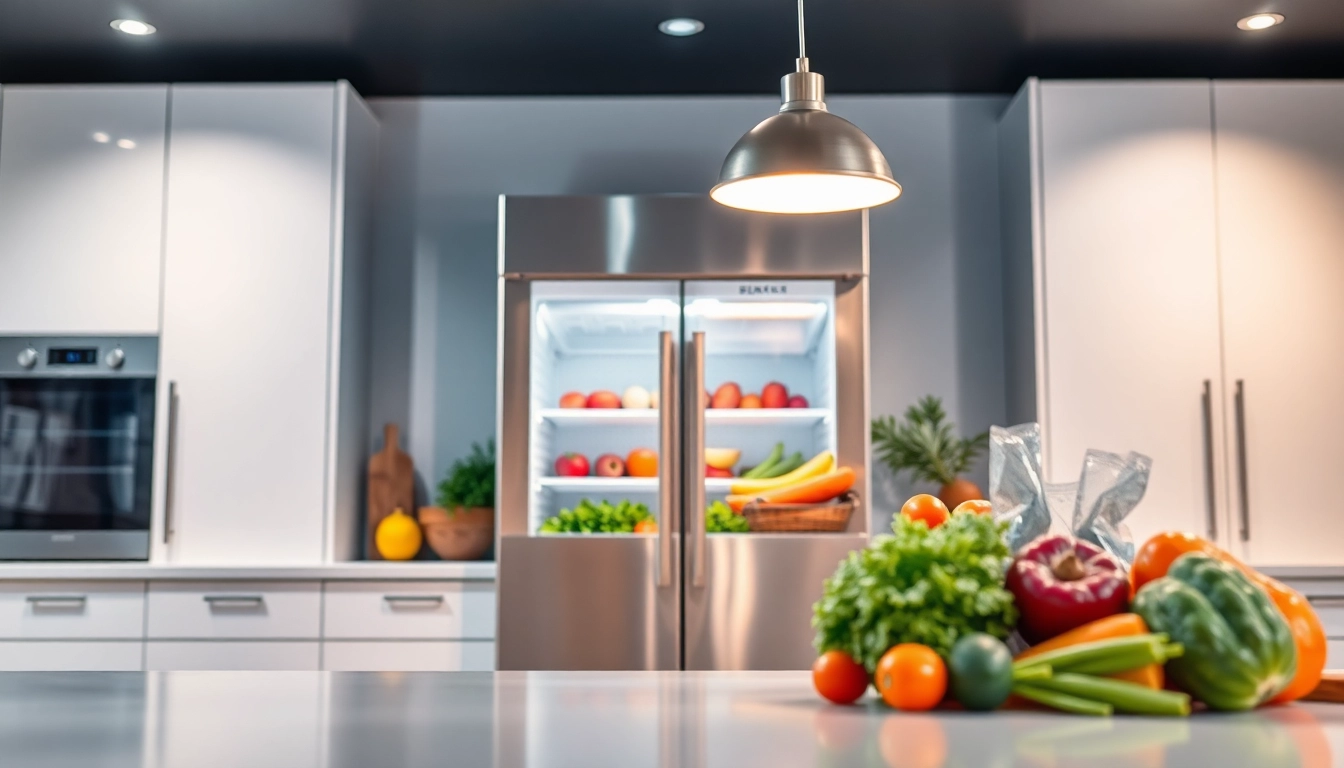
Understanding Your Freezer: Types and Features
Freezers are essential appliances in modern kitchens, providing a convenient way to store food and minimize waste. Understanding the different types and features of freezers can help you make an informed decision when purchasing one for your home. Whether you’re storing meats, vegetables, or leftovers, having the right freezer can significantly impact your food preservation efforts. From compact units suitable for small spaces to larger chest models, the variety of freezers available allows consumers to find a product that fits their specific needs. Below is a comprehensive look at freezer types and features that can enhance your kitchen experience, including Freezer organization and maintenance strategies.
Exploring Different Freezer Types
When it comes to freezers, there are several types to choose from, each with its unique advantages and drawbacks. Here are the primary types:
- Upright Freezers: These resemble traditional refrigerators but are designed exclusively for freezing. They have multiple shelves, allowing easy access to stored items. Ideal for those with limited space, upright freezers can fit into kitchen cabinets or small laundry rooms.
- Chest Freezers: Chest freezers offer a vast amount of storage space and are more energy-efficient than upright models. They open from the top, providing easy access to heavier items, making them great for bulk purchases. However, they require more floor space and may necessitate bending over to retrieve items.
- Portable Freezers: Suitable for camping trips or small apartments, portable freezers are compact and often battery-operated. They are perfect for short-term storage and keeping foods cool during travels, although typically they hold less food than larger models.
- Frost-Free Freezers: These freezers utilize a fan to circulate air, preventing frost formation. This feature eliminates the need for manual defrosting, providing a hassle-free experience while promoting efficient storage conditions.
- Built-In Freezers: These are custom-fitted into cabinetry, providing a seamless look in kitchen designs. Built-in freezers can be either upright or chest but come with a higher price tag due to their specialized installation.
Key Features to Consider
Along with the type of freezer, certain features can greatly affect usability and efficiency. Here are some essential features to look for:
- Temperature Control: Accurate and adjustable temperature controls are critical for maintaining optimal food preservation. Look for models with digital displays for easier readouts.
- Storage Baskets: Many freezers come with removable storage baskets. These can help keep smaller items organized and accessible without digging through bulk foods.
- Energy Star Certification: Energy-efficient models help save on electricity costs. Look for Energy Star certification, which ensures the freezer meets energy efficiency guidelines.
- Power Outage Recovery: Some freezers can maintain a safe temperature for several hours in the event of a power outage. This feature is crucial for preventing food spoilage.
- No-Frost Technology: Choosing a unit with no-frost or frost-free technology means you won’t have to worry about manual defrosting, allowing for hassle-free food storage.
Energy Efficiency Ratings Explained
When selecting a freezer, energy efficiency is an essential consideration. The energy consumption of a freezer can significantly impact your utility bills over the long term. Energy efficiency ratings, such as the Energy Star label, provide a clear metric for evaluating how much energy a freezer will use. Here are the key components of energy ratings:
- Annual Energy Consumption: Measured in kilowatt-hours (kWh), this indicates how much energy the unit will consume in a typical year.
- Energy Use Comparison: Comparing the annual energy consumption of different freezers can help consumers identify which models are more efficient.
- Impact on Environment: Efficient freezers consume less energy, thereby reducing your carbon footprint. By choosing an Energy Star-rated model, you contribute to a greener environment.
Organizing Your Freezer for Maximum Storage
Optimizing your freezer’s storage capabilities is essential for minimizing waste and ensuring that food remains organized and accessible. Implementing best practices allows for better visibility of stored items, quick access, and efficient use of space.
Best Practices for Food Storage
Proper food storage techniques can extend the lifespan of your frozen items considerably. Follow these guidelines to maximize food preservation:
- Use Airtight Packaging: Always use airtight packaging to prevent freezer burn, which can degrade the quality of your food. Vacuum-sealed bags are ideal for long-term storage.
- Portion Control: Freeze foods in portion sizes you regularly use. This approach minimizes waste and expediting the defrosting process.
- Layering: Layer foods flat before stacking them. This positioning allows for better stacking, and items will freeze uniformly.
- Leave Space for Airflow: Avoid overcrowding your freezer to ensure that cold air can circulate effectively. This circulation helps maintain a stable temperature.
Labeling and Inventory Management Tips
An organized freezer means less rummaging and better food management. Clear labeling and inventory techniques can help you keep track of what is available:
- Label Everything: Use a permanent marker or labels to mark items and their freezing dates. This practice provides a visual guide to evaluate food freshness.
- Inventory Lists: Keeping an up-to-date inventory list attached to the freezer helps track what items are available and when to consume them to avoid spoilage.
- First In, First Out (FIFO): Apply this method by storing new foods behind older ones. This technique ensures that older items are used first, reducing waste.
Space-Saving Techniques for Small Freezers
For those with smaller freezers, maximizing space can be a challenge. Here are several space-saving strategies:
- Stackable Containers: Utilize stackable or collapsible containers to make the most of vertical space.
- Frozen Food Storage Bags: Flat storage bags can save space and easier to store than bulky containers, while still providing necessary protection for your food.
- Magnetic Organizers: Employ magnetic baskets or compartments that can attach to freezer walls for added space.
Maintaining Your Freezer: Best Practices
To get the best performance and longevity from your freezer, regular maintenance is crucial. Keeping your freezer clean and in good working order can prevent many common issues.
Cleaning and Defrosting Your Freezer
A clean freezer not only works better but also aids in food preservation. Here’s how to maintain cleanliness:
- Regular Cleaning: Plan to clean your freezer at least twice a year. Empty the unit, wash interior surfaces with warm, soapy water, and dry thoroughly.
- Defrosting: If you own a manual freezer, defrost it regularly to maintain efficiency. Take care to remove all food, and allow the ice to melt before wiping it out.
- Check Seals: Inspect the door seals for any damage as they prevent cold air from escaping. Replace seals promptly to ensure optimal performance.
Common Issues and Troubleshooting
Certain problems may arise during a freezer’s operational life. Being aware of common issues can expedite troubleshooting:
- Excessive Ice Build-up: This can be caused by a faulty door seal or frequent door opening. Change the seal if necessary and limit openings.
- Freezer Not Cooling: Ensure that the unit is plugged in properly, and the temperature controls are set correctly. If the problem persists, contact a technician.
- Unpleasant Odors: This may result from spoiled food. Regularly check items and clean surfaces with baking soda to allocate fresh odors.
Tips for Ensuring Longevity
Extend your freezer’s lifespan with simple maintenance tips:
- Temperature Settings: Maintain a consistent temperature between 0°F (-18°C) and 5°F (-15°C) for optimal performance.
- Don’t Overload: While it’s tempting to maximize storage, overloading can obstruct airflow and decrease efficiency.
- Routine Checks: Regularly inspect your freezer for any worn parts or signs of malfunction, allowing you to address possible issues before they escalate.
Creative Uses for Your Freezer
Your freezer can do much more than just store frozen food. Implementing creative strategies allows you to maximize usage beyond basic storage needs.
Meal Prepping and Freezer Cooking
Meal prepping is becoming an increasingly popular way to save time and simplify cooking. Consider these meal planning techniques:
- Batch Cooking: Prepare large quantities of meals to freeze individual portions. This approach reduces daily cooking time, allowing for healthier eating options.
- Freezing Recipe Ingredients: Chop veggies and pre-portion ingredients in bags before freezing. This efficiency saves time on busy cooking days.
Preserving Seasonal Produce
Freezing fruits and vegetables in peak season allows you to enjoy them year-round. Utilize the following strategies:
- Blanching Vegetables: Before freezing, blanch vegetables briefly in boiling water to preserve color, flavor, and nutrients.
- Freezing Fruits: Wash and slice fruits before placing them on a tray to freeze individually. After they are frozen, transfer them to bags to prevent them from clumping together.
Freezing Leftovers Efficiently
Freezing leftovers can prevent food waste and provide future meal flexibility. Use these tips:
- Cool Down First: Allow food to cool down before placing it in the freezer to prevent raising the internal temperature.
- Use Proper Containers: Opt for freezer-safe containers and make sure to leave space for expansion when liquids freeze.
- Prioritize Foods: Some leftovers freeze better than others. Soups, stews, and casseroles are usually great choices.
FAQs About Freezer Use and Maintenance
How often should I defrost my freezer?
You should defrost your freezer whenever the frost buildup exceeds a quarter of an inch. For frost-free models, this is generally not required.
What foods should not be frozen?
Avoid freezing foods like mayonnaise, certain cheeses, and items with high water content like lettuce, as they do not thaw well.
How can I reduce freezer odors?
To eliminate odors, ensure all food is stored airtight. Place an open box of baking soda in the freezer to absorb unwanted smells.
What’s the ideal temperature for my freezer?
The ideal temperature for a freezer is 0°F (-18°C) to ensure optimal food preservation and prevent spoilage.
Can I freeze eggs or dairy products?
You can freeze eggs, but they must be beaten before freezing, while whole milk and cream should be frozen in small containers.