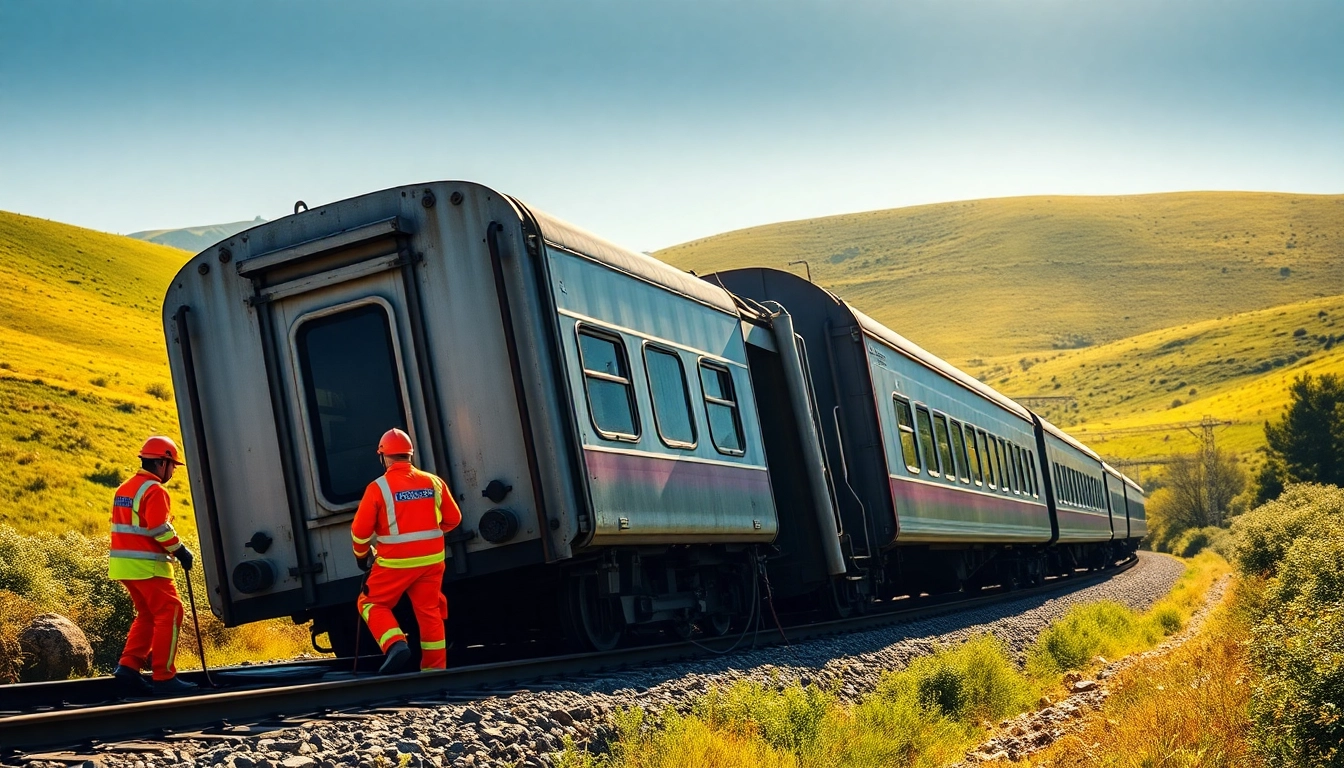
Understanding the Spain Train Crash
Overview of the Incident
The spain train crash stands as a stark reminder of the vulnerabilities inherent in even the most advanced transportation systems. Occurring on a busy rail line, this catastrophic event resulted in numerous fatalities and injuries, highlighting not only the human cost of such disasters but also the broader implications for rail safety across the nation. Preliminary investigations revealed a complex interplay of factors that contributed to the accident, prompting urgent calls for reviews of safety protocols and emergency response procedures.
Immediate Consequences
In the aftermath of the crash, emergency services were deployed rapidly to the scene, offering critical medical assistance to survivors while managing the chaotic environment. Families were left grappling with shock and grief as they awaited news of their loved ones. Additionally, the transportation network faced significant disruptions, impacting not just rail commuters but also logistics and freight traffic across Spain. The crash became the focal point for national discussions on transport safety, citizen responsibility, and the efficacy of response strategies available to mitigate such events.
Long-term Impacts on the Community
The long-term impacts of the train crash were profound and far-reaching. Community members united in their mourning, but also in their resolve to advocate for stronger safety measures. Memorials were erected, and support groups formed to help those affected cope with their loss. This tragic incident fostered a sense of collective responsibility among citizens and prompted local government officials to prioritize transportation safety in community agendas. In the wake of the crisis, there arose an opportunity for psychological healing, with many residents engaging in dialogues about emotional recovery and support for victims’ families.
Key Factors Contributing to the Spain Train Crash
Human Error Analysis
A detailed analysis indicated that human error may have played a pivotal role in the events leading up to the crash. Train operators are subject to intense pressure to maintain schedules, which can lead to lapses in judgment. Training protocols that fail to adequately address high-stress situations can also contribute to errors. Consequently, a comprehensive review of training programs and operational procedures is essential to reduce reliance on human factors that may compromise safety.
Technical Failures in Train Systems
Technical failures are another critical layer of the incident. Equipment malfunctions, outdated technology, and the inability to properly communicate real-time data may have significantly heightened the risks associated with train travel. Conducting thorough maintenance checks, deploying state-of-the-art monitoring systems, and ensuring that all equipment is compliant with safety regulations are vital in preventing similar catastrophes in the future.
Environmental Conditions
Environmental factors, including weather conditions and geographic challenges, can also influence train operations. For instance, adverse weather can impair visibility and affect track conditions, while geographical factors might complicate emergency response efforts. Integrating predictive analytics to anticipate how environmental conditions impact rail systems can provide operators with a better framework for decision-making and risk management.
Safety Protocols: Lessons Learned from the Spain Train Crash
Emergency Response Strategies
The emergency response to the train crash necessitated immediate assessment and planning for future operations. It is essential to establish comprehensive emergency response protocols that are well-practiced through regular drills involving first responders and transportation staff. Clear communication strategies must be established to ensure timely assistance and coordination amongst various agencies charged with responding to transportation incidents.
Regulatory Changes Post-Incident
In the wake of such disastrous incidents, regulatory bodies often undertake revisions to existing safety legislation. The changes may address anything from enhancements to rail infrastructure, increased accountability for rail operators, to more thorough safety inspections. It is crucial that these regulatory changes become a foundational aspect of the rail system, promoting a culture of safety rather than merely complying with regulations.
Community Preparedness Plans
Alongside institutional changes, community preparedness plans can bolster resilience against future incidents. Local governments and transit authorities should engage community stakeholders to develop comprehensive emergency action plans that address the specific needs of their populations. Training community members in basic emergency response, first aid, and crisis communication can create a well-rounded approach to disaster readiness.
Importance of Infrastructure and Technology
Train Safety Technologies
Advancements in train safety technologies can drastically reduce the likelihood of incidents. Implementing automated train control systems, real-time data analytics, and predictive maintenance technologies can enhance operational safety. Countries with leading rail systems often leverage technology to monitor train performance and track safety in real time, and similar strategies should be championed in the wake of the spain train crash to ensure a safer future for rail travel.
Investment in Rail Infrastructure
Investing in robust rail infrastructure is paramount for established and emerging rail systems alike. Such investments often include updating tracks, enhancing train-car technology, and improving signaling systems to mitigate risks. Well-maintained infrastructure directly correlates with reduced accidents and improved service reliability, creating a positive feedback loop for user trust and financial investment.
Global Comparisons: Learning from Others
Examining global best practices offers invaluable lessons. Countries with commendable rail safety records have set benchmarks through stringent regulations, extensive employee training, and continual investment in cutting-edge technologies. By benchmarking against these nations, Spain can adopt effective practices that enhance safety outcomes and innovation in rail transport.
Future Implications for Transportation Safety
Policy Reforms Following the Spain Train Crash
The spain train crash has incited a wave of policy reform aimed at fundamentally improving transportation safety protocols. Lawmakers and transportation administrations must come together to outline and enforce pertinent legislation that not only reacts to previous tragedies but also anticipates future challenges. Emphasizing a proactive rather than a reactive stance strengthens the framework under which rail networks operate.
The Role of Technology in Enhancing Safety
As technology continues to evolve, its role in enhancing transportation safety becomes increasingly critical. Artificial intelligence, machine learning, and data integration can facilitate more accurate monitoring of train systems and predictive risk assessments. Adopting these technologies requires investment in research and development to stay ahead of potential failures and ensure that the safety of passengers remains paramount.
Community Engagement in Safety Initiatives
Engaging the community in safety initiatives fosters trust and resilience. Train operators and local authorities should involve residents in discussions about transportation safety and preparedness, invite feedback, and educate citizens on safety protocols. Initiatives that incorporate community input can lead to greater awareness, shared responsibility, and ultimately, better safety outcomes.
Frequently Asked Questions
What caused the Spain train crash?
The crash resulted from a combination of human error, technical failures, and possibly adverse environmental conditions, highlighting the complexities involved in rail safety.
How can communities prepare for future train incidents?
Communities can establish emergency preparedness plans, engage local citizens through training, and advocate for stronger rail safety measures to enhance resilience against future incidents.
What role does technology play in rail safety?
Technology, such as automated systems and predictive analytics, plays a crucial role in monitoring rail conditions and enhancing safety measures, potentially preventing future accidents.
What lessons can be learned from other countries regarding rail safety?
Countries with strong rail safety records often implement rigorous regulations, continuous training, and advanced safety technologies, which can serve as a model for improvement.
What are some recommended policy reforms post-incident?
Recommended reforms include more stringent safety regulations, regular audits of train systems, and increased accountability for operators to ensure a focus on passenger safety.