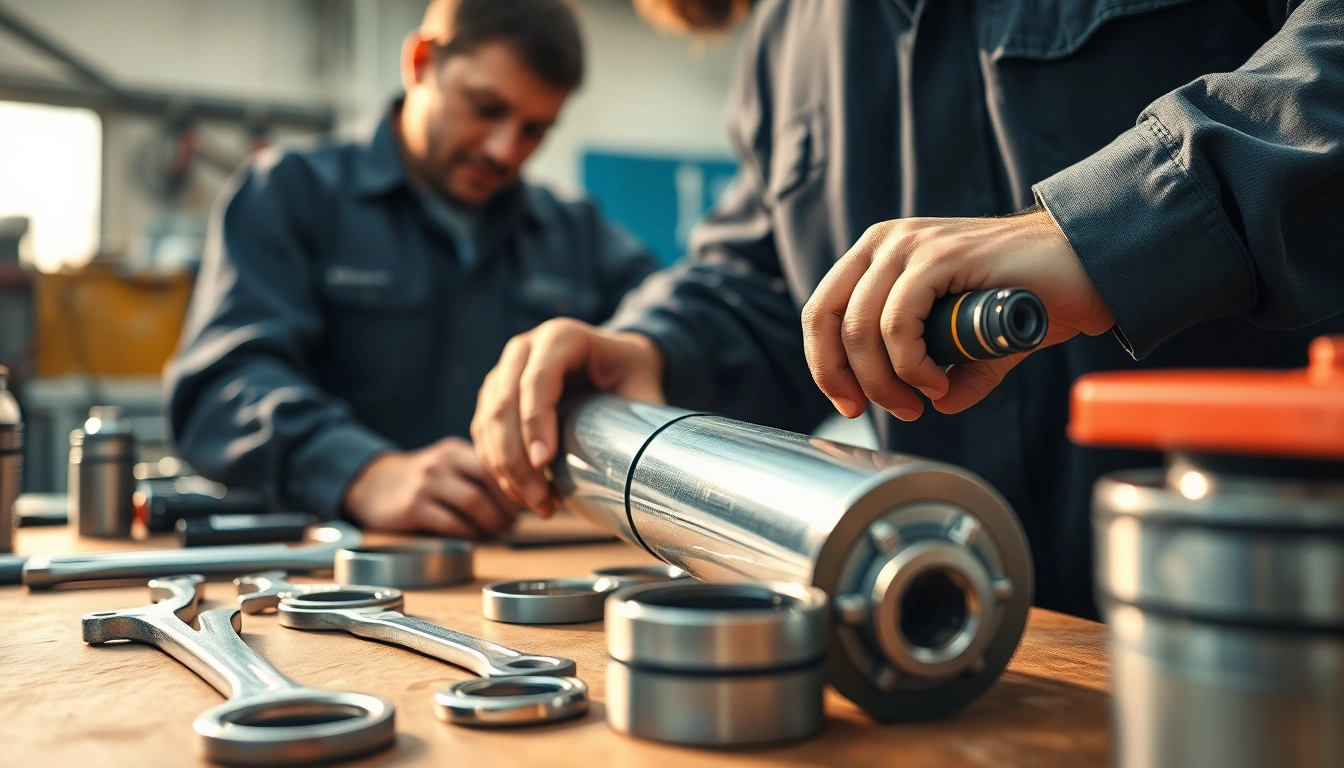
Understanding Hydraulic Cylinder Repair
What is Hydraulic Cylinder Repair?
Hydraulic cylinder repair is a critical maintenance process designed to restore the functionality of hydraulic cylinders used in various machinery and equipment. These components are essential for converting hydraulic energy into linear motion, which is pivotal in many industrial applications. When a hydraulic cylinder malfunctions, it can lead to inefficiency, safety risks, and breakdowns. The repair process involves diagnosing issues, replacing defective parts, and ensuring the cylinder operates smoothly and reliably. A comprehensive approach to hydraulic cylinder repair can save time and expenses compared to full replacement, making it an attractive option for many operators.
Signs Your Cylinder Needs Repair
Identifying problems early can significantly reduce downtime and repair costs. Here are some common signs that your hydraulic cylinder may need repair:
- Leakage: Visible fluid leaks around seals or fittings are often the first indication of a problem.
- Sluggish Movement: If the cylinder does not extend or retract smoothly or responds slowly, it may indicate internal damage.
- Increased Noise: Unusual sounds such as grinding or clanking during operation can signify mechanical failure.
- Misalignment: If the attached load shows signs of misalignment or crooked movement, the cylinder may not be functioning correctly.
- Excessive Wear: Visible wear and tear on the cylinder’s exterior or damage to the rod can compromise performance.
Common Issues Leading to Repairs
Several factors can contribute to the need for hydraulic cylinder repairs:
- Seal Failure: Seals can wear out over time due to friction, heat, or contamination, leading to leaks.
- Corrosion: Exposure to harsh environments can cause corrosion on the cylinder’s exterior and internal components.
- Pressure Surges: Unexpected spikes in hydraulic pressure can damage seals and internal parts.
- Improper Maintenance: Lack of regular inspections and maintenance can hasten the deterioration of the cylinder’s components.
- Contaminated Fluid: Dirty or degraded hydraulic fluid can lead to pump failures and other issues.
Preparing for Hydraulic Cylinder Repair
Necessary Tools and Equipment
Before beginning hydraulic cylinder repair, it’s essential to gather the right tools and equipment. Common tools include:
- Wrench Set: Essential for loosening and tightening bolts securely.
- Seal Pullers: Useful for removing old seals without damaging cylinder components.
- Calipers: For measuring internal diameters to ensure proper sealing.
- Torque Wrench: Ensures bolts are tightened to the manufacturer’s specifications.
- Hydraulic Oil: The appropriate hydraulic oil is crucial for maintaining cylinder integrity during reassembly.
- Work Benches: Area to lay out tools and components to streamline the repair process.
Safety Precautions to Take
Safety is paramount when dealing with hydraulic systems. Here are some critical safety precautions:
- Wear Protective Gear: Use gloves, goggles, and protective clothing to shield yourself from potential hazards.
- Release Pressure: Always release hydraulic pressure before disassembly to avoid injury.
- Work in a Ventilated Area: Ensure adequate ventilation to prevent inhalation of harmful fumes from hydraulic oil.
- Keep Workspace Clean: A tidy workspace reduces the risk of accidents and misplaced tools.
- Follow Manufacturer Guidelines: Always adhere to manufacturer instructions for repairs and safety protocols.
Disassembling the Hydraulic Cylinder
Disassembling a hydraulic cylinder requires careful attention to detail to avoid damage. Follow these steps:
- Prepare the Workspace: Clear the area of unnecessary items, ensuring you have enough space to work.
- Document the Assembly: Take pictures or notes of the assembly as you take it apart, which will aid reassembly.
- Remove the Cylinder from Machinery: Disconnect hydraulic lines and carefully remove the cylinder from its housing.
- Loosen Fasteners: Use the correct tools to remove all fasteners while ensuring not to damage the components.
- Extract Internal Components: Carefully pull out the piston and other elements while inspecting for wear or damage.
Step-by-Step Hydraulic Cylinder Repair Process
Inspecting Damaged Components
Once the hydraulic cylinder is dismantled, thoroughly inspect all components:
- Check Seals: Look for tears, hardening, or other damage that could impact performance.
- Evaluate the Rod: Inspect for scratches, corrosion, or scoring that may require treatment or replacement.
- Look for Pitting: Examine the interior of the cylinder bore for signs of pitting or significant wear.
- Assess the End Caps: Ensure that the end caps are intact and not warped or damaged.
Replacing Seals and O-rings
Replacing seals and O-rings is often one of the primary steps in hydraulic cylinder repair. Here’s how to do it effectively:
- Remove Old Seals: Use seal pullers or a similar tool to extract the old seals carefully.
- Clean the Grooves: Thoroughly clean seal grooves and inspect them for debris or damage.
- Apply Lubrication: Lightly lubricate the new O-rings and seals to create a better fit during installation.
- Install Seals: Carefully position the new seals in their respective grooves, ensuring they fit snugly.
Reassembling the Hydraulic Cylinder
Proper reassembly of the hydraulic cylinder is crucial for its functionality. Follow these steps:
- Install the Piston: Carefully insert the piston back into the cylinder, ensuring seals are properly placed.
- Reconnect Components: Reattach end caps and any other components in the order you documented during disassembly.
- Tighten Fasteners: Use a torque wrench to ensure all fasteners are tightened to the manufacturer’s specifications.
- Check Alignment: Ensure that all components are properly aligned before finalizing assembly.
- Refill with Hydraulic Fluid: Refill the cylinder with the necessary hydraulic fluid, following the correct guidelines.
Preventive Maintenance for Hydraulic Cylinders
Regular Inspection Practices
To prolong the life of hydraulic cylinders and avoid costly repairs, establish a routine inspection schedule. Effective practices include:
- Visual Inspections: Regularly check for leaks, wear, or other visible signs of damage.
- Fluid Levels: Monitor hydraulic fluid levels and top up as necessary to maintain optimal operation.
- Pressure Checks: Regularly check for unexpected fluctuations in pressure which can indicate underlying problems.
- System Cleanliness: Ensure that the hydraulic system is clean and free of contaminants.
Lubrication and Care Tips
Proper lubrication and care can greatly enhance the performance and lifespan of hydraulic cylinders. Consider the following tips:
- Regular Lubrication: Use the recommended hydraulic oil and maintain proper lubrication schedules.
- Seal Maintenance: Regularly inspect and replace seals as needed to avoid leaks.
- Environmental Protection: Consider using protective coverings when the equipment is not in use.
- Training: Offer training for operators to recognize early warning signs and promote better care.
Common Mistakes to Avoid
To ensure successful hydraulic cylinder repair and maintenance, avoid these common mistakes:
- Neglecting Maintenance: Overlooking routine inspections can lead to unforeseen failures.
- Using Incorrect Parts: Always use manufacturer-recommended parts for repairs to ensure compatibility.
- Ignoring Fluid Quality: Poor-quality hydraulic fluid can lead to multiple system issues.
- Failing to Document Repairs: Keep a log of repairs performed to track maintenance history and plan future checks.
Frequently Asked Questions About Hydraulic Cylinder Repair
Is it worth repairing a hydraulic cylinder?
Yes, repairing a hydraulic cylinder is often more cost-effective than replacing it. A thorough repair can restore efficiency and prolong its lifespan, while reducing downtime and costs.
How long does a hydraulic cylinder repair take?
The time required for repair varies, but it typically ranges from a few hours to a day, depending on the extent of damage and the complexity of the cylinder.
What are the costs involved in hydraulic cylinder repair?
Costs for hydraulic cylinder repair can vary widely based on the type of cylinder, parts needed, and labor rates, typically ranging from $150 to $1,500 or more, depending on repairs.
Can I repair my hydraulic cylinder myself?
Yes, provided you have the right tools and knowledge. It’s essential to follow manufacturer guidelines and take all safety precautions when performing repairs.
How do I know if my cylinder needs a rebuild?
If multiple components are worn, or if the cylinder has repeated issues after repairs, it may be more cost-effective to consider a rebuild instead of repeated repairs.
Contact Information
Call Us: 1 780-452-2876
Email: [email protected]
Address: 13111 159 St NW, Edmonton, AB, Canada, T5V 1H6