Understanding Electric Chain Hoist Cranes
In today’s fast-paced industrial environment, efficiency and safety are paramount. Electric chain hoist cranes have emerged as vital tools for moving heavy loads within various sectors, including manufacturing, construction, and warehousing. These cranes utilize electric motors to facilitate lifting, making them not only efficient but also less labor-intensive compared to manual alternatives. When exploring options, an electric chain hoist crane provides comprehensive insights into these indispensable devices and their operational benefits.
What is an Electric Chain Hoist Crane?
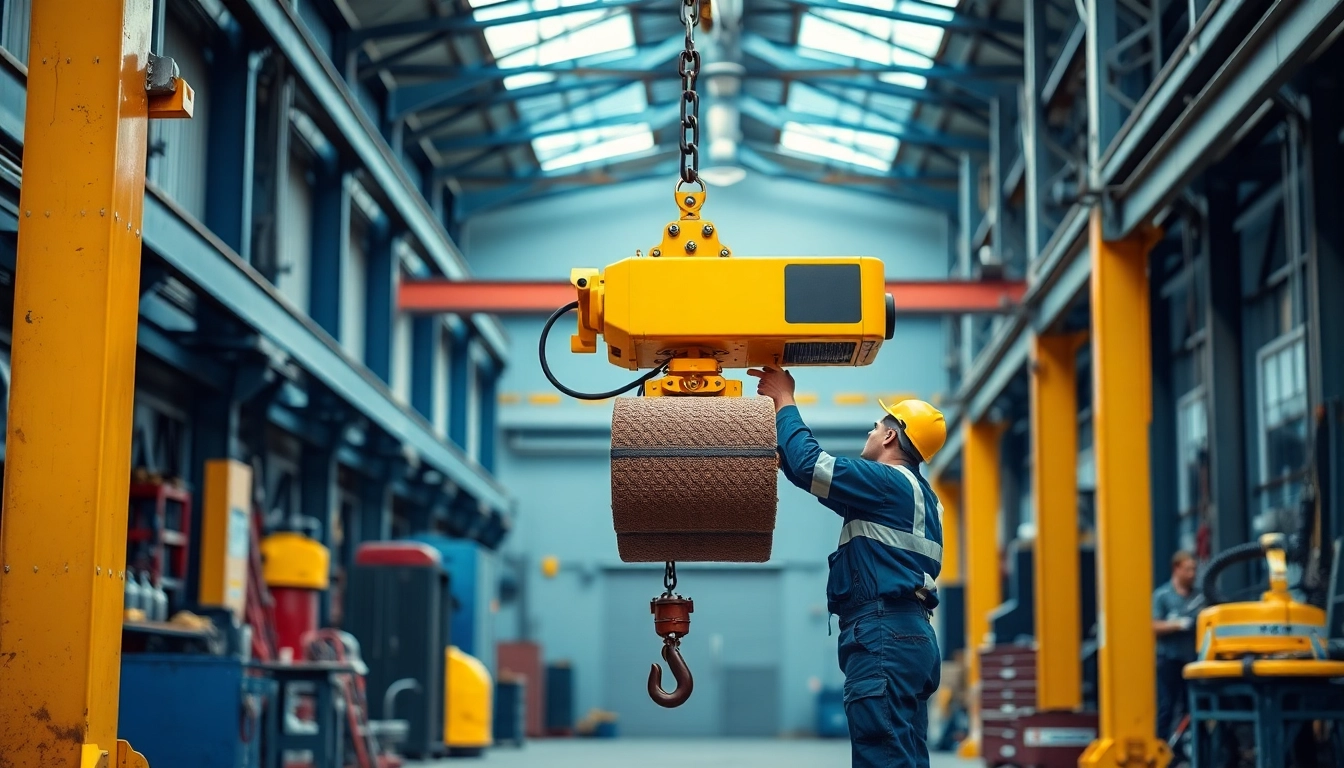
An electric chain hoist crane is a type of lifting device that uses an electric motor to lift and lower heavy loads through the movement of a chain. The design combines the functionality of a traditional hoist with electric drive, facilitating seamless lifting operations. Electric chain hoists come in various configurations, including standalone units and those integrated with overhead cranes. The mechanics typically involve a chain system that wraps around a wheel connected to the motor, enabling a smooth vertical lift.
Benefits of Using Electric Chain Hoist Cranes
Electric chain hoist cranes offer several advantages over their manual counterparts. Here are some compelling benefits:
- Increased Efficiency: Electric hoists operate faster than manual hoists, significantly reducing lifting time.
- Reduced Labor Costs: By minimizing the physical effort required from operators, companies can cut labor costs and enhance productivity.
- Improved Safety: With built-in safety mechanisms like overload protection and limit switches, electric chain hoist cranes reduce the risk of accidents.
- Precise Control: Electric hoists provide accurate load placement, essential in environments where precision is critical.
- Versatile Applications: They can be adapted to a wide range of tasks across different industries, from construction to manufacturing.
Applications of Electric Chain Hoist Cranes Across Industries
Electric chain hoist cranes are versatile and find applications in numerous industries. Here are some notable examples:
- Manufacturing: Used for moving heavy machinery and components during assembly processes.
- Construction: Essential for lifting building materials on job sites, especially in multi-story structures.
- Aerospace: Employed in the assembly of aircraft and components, where precision and safety are critical.
- Warehousing: Facilitates the stacking and unstacking of heavy goods in storage facilities.
- Automotive: Utilized in automotive assembly lines for lifting engines and other heavy parts.
Key Features to Consider When Choosing an Electric Chain Hoist Crane
When selecting an electric chain hoist crane, several critical features should be considered to ensure optimal performance, safety, and durability.
Load Capacity and Lifting Speed Explained
Understanding the load capacity is vital. Electric chain hoists come rated for different capacities, typically ranging from 1/8-ton to over 5 tons. The lifting speed is also crucial as it determines how quickly operations can be completed. Most electric chain hoists can lift loads at speeds between 10 to 20 feet per minute, with options for faster models designed for high-demand environments.
Safety Features in Modern Electric Chain Hoist Cranes
Modern electric chain hoist cranes incorporate advanced safety features that protect both operators and loads. Key safety features include:
- Overload Protection: Prevents damage to the hoist and injury by stopping operation if the load exceeds capacity.
- Limit Switches: Automatically stops the hoist at the upper and lower limits to prevent over-travel.
- Emergency Stop Functions: Allows for immediate cessation of operations in case of a malfunction or emergency.
- Soft Start and Stop Features: Reduces stress on the hoist mechanism, prolonging its lifespan.
Durability and Maintenance: What to Look For
Durability is key in industrial environments where hoists are subject to heavy use. Look for hoists with rugged construction, often made from high-grade materials like steel or aluminum. Regular maintenance is necessary to ensure longevity, including lubrication of chain systems and inspection of electrical components. Manufacturers often provide maintenance guidelines to help operators keep their hoists in optimal condition.
Best Practices for Operating Electric Chain Hoist Cranes
Efficiency and safety in operations rely heavily on adhering to best practices. Here are essential guidelines for operating electric chain hoist cranes.
Safety Protocols Every Operator Should Know
Operators must be well-versed in safety protocols to mitigate risks. Key protocols include:
- Conducting pre-operation inspections to check for mechanical issues.
- Using proper personal protective equipment (PPE) during operation.
- Ensuring the load is properly secured before lifting.
- Maintaining clear communication with other team members during lifting operations.
- Never exceeding the hoist’s rated load capacity.
Training Requirements for Electric Chain Hoist Crane Operators
Operators should undergo formal training that covers the operation of the hoist, safety protocols, and emergency procedures. Certification programs offer comprehensive training and are often required by regulatory agencies to ensure operators are equipped to handle equipment safely.
Common Mistakes and How to Avoid Them
Even experienced operators can make mistakes. Common pitfalls include:
- Not conducting pre-lift checks.
- Overloading the hoist, which can lead to equipment failure.
- Ignoring signs of wear or malfunction in the hoist.
- Lifting loads from unstable positions, increasing the risk of accidents.
By being aware of these common mistakes, operators can take proactive steps to ensure safety and efficiency.
Future Trends in Electric Chain Hoist Crane Technology
The landscape of electric chain hoist crane technology is evolving rapidly, driven by advancements in automation and smart technology.
Emerging Technologies in Hoisting Solutions
New technologies are reshaping hoisting solutions. These include:
- Smart Sensors: Integrating sensors for real-time load monitoring and diagnostics, enhancing safety and performance.
- Remote Operation: Allowing operators to control hoists remotely via smartphones or tablets, increasing flexibility.
- Data Analytics: Using data collected from hoist operations to optimize performance and predict maintenance needs.
Impact of Automation on Electric Chain Hoist Cranes
Automation is significantly changing the way electric chain hoists are integrated into workplaces. Automated lifting solutions reduce human error and increase efficiency by managing lifts based on demand and load weight, paving the way for safer and more efficient operations.
Predictions for Industry Standards in 2025
Looking ahead, the industry is likely to adopt more stringent safety and operational standards by 2025. These may include enhanced certification processes for operators and mandatory integration of smart technologies to ensure compliance with safety regulations.
Real-World Examples and Case Studies
Understanding how electric chain hoist cranes are applied in real-world scenarios can provide valuable insights into their benefits and effectiveness.
Successful Implementations of Electric Chain Hoist Cranes
Several companies have successfully implemented electric chain hoists to streamline operations. Notable examples include:
- Aerospace Manufacturers: Utilizing electric hoists to assemble components efficiently while maintaining safety standards.
- Automotive Production Lines: Enhancing productivity in assembly lines with automated hoisting solutions.
Case Study: Revolutionizing Lifting Operations at XYZ Facilities
At XYZ Facilities, the implementation of electric chain hoist cranes led to a 30% increase in operational efficiency. By integrating smart technology, operators could monitor load weights in real-time, reducing incidents of overload and improving overall safety.
Lessons Learned from Electric Chain Hoist Crane Deployments
Through various deployments, key lessons include the importance of ongoing training for operators and the necessity of regular maintenance schedules to prolong the lifespan of equipment. The integration of user feedback in the design of hoists has also been vital in enhancing usability and safety features.