Understanding Water Lilies: The Essentials
Water lilies are more than just beautiful blooms floating atop your pond; they are integral to creating a balanced aquatic ecosystem. Their large, round leaves provide shade for fish and other aquatic creatures, while their stunning flowers add splashes of color to your garden. For anyone considering enhancing their pond with these remarkable plants, knowing how to Buy Water Lilies is essential. Understanding their unique needs and benefits will help you make informed decisions for your aquatic space.
What Are Water Lilies and Their Benefits?
Water lilies, belonging to the family Nymphaeaceae, are perennial aquatic plants that thrive in freshwater. They are characterized by their floating leaves and stunning flowers that can bloom in various colors including white, pink, yellow, and blue. The benefits of incorporating water lilies into your pond are numerous:
- Ecological Benefits: Water lilies provide shelter and breeding grounds for fish and amphibians.
- Aesthetic Appeal: Their captivating flowers enhance the visual quality of any aquatic environment.
- Oxygenation: As they photosynthesize, water lilies contribute to oxygen levels in the water, improving overall pond health.
- Algae Control: By covering the water’s surface, they help reduce sunlight penetration, inhibiting algae growth.
Different Varieties of Water Lilies
There are many varieties of water lilies, each with distinct characteristics suitable for different environments. The primary categories include:
- Tropical Water Lilies: These thrive in warmer climates and often feature vibrant colors and larger flowers.
- Hardy Water Lilies: Suitable for temperate climates, these can survive winter conditions and are typically more robust.
- Miniature Water Lilies: Perfect for smaller ponds or containers, these varieties offer the same beauty on a smaller scale.
Choosing the Right Water Lily for Your Pond
When selecting water lilies, consider the size of your pond, its depth, and the overall climate of your region. Hardy varieties are ideal for colder climates, while tropical varieties are better suited for warmer areas. Additionally, assess how much sunlight your pond receives daily to choose a lily that thrives under those conditions.
Preparing Your Pond for Water Lilies
Before introducing water lilies to your pond, it is crucial to prepare the environment to ensure optimal growth and health. Start by assessing your pond’s current condition and making any necessary adjustments.
Assessing Water Depth and Quality
Water depth is a critical factor in the successful growth of water lilies. Generally, hardy water lilies prefer a depth of 12 to 24 inches, while tropical varieties thrive in shallower waters. Additionally, ensure the water quality is suitable by testing pH levels and eliminating contaminants, which can adversely affect plant health.
Creating an Ideal Environment for Growth
Water lilies thrive in rich, nutrient-dense substrates. Using aquatic plant soil can enhance growth. Ensure that the pond is not too shaded, as insufficient sunlight can hinder flowering. Ideally, lilies should receive at least four to six hours of sunlight daily.
Pond Maintenance Tips for Optimal Conditions
Regular maintenance is essential for optimal conditions. This includes:
- Monitoring water levels and topping up when necessary.
- Removing debris and dead plant material to prevent decay, which can lead to poor water quality.
- Controlling algae growth and ensuring the water remains clear.
Planting Water Lilies: Step-by-Step Guide
Planting water lilies correctly ensures they establish well and thrive in your pond environment. Here’s a detailed guide to assist you.
When and How to Plant Water Lilies
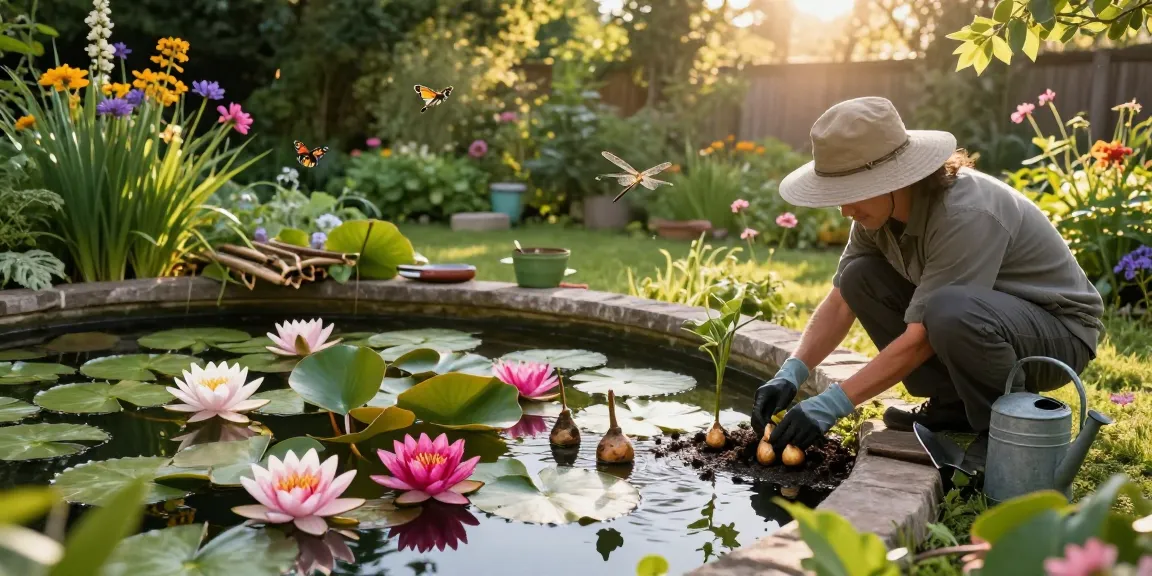
The best time to plant water lilies is in the spring, after the last frost has passed. To plant, choose a heavy planter that won’t float away. Fill it with aquatic soil, leaving the crown of the lily just above the soil surface. In a few months, you should see foliage emerging, followed by blooms.
Best Practices for Water Lily Care and Maintenance
To ensure your water lilies flourish, adhere to these best practices:
- Fertilize during the growing season with aquatic plant fertilizer.
- Trim any dead leaves or spent flowers to keep the plant healthy.
- Avoid overcrowding by maintaining proper spacing between plants.
Common Mistakes to Avoid When Planting
Avoid these frequent pitfalls when planting water lilies:
- Planting too deeply or too shallowly can affect growth.
- Neglecting proper light conditions can prevent flowering.
- Failing to monitor water quality can harm the plants.
Health Benefits of Water Lilies in Your Pond
Water lilies do much more than beautify your pond; they enhance the health of the entire aquatic ecosystem.
How Water Lilies Improve Pond Ecosystem
By providing shade and shelter, water lilies help regulate pond temperatures, creating a balanced habitat for fish and other wildlife. They also contribute to nutrient cycling, helping maintain clear water and a healthy environment.
Attracting Wildlife: Benefits of Water Lilies
Water lilies are not only a sanctuary for fish but also attract various wildlife, such as frogs, dragonflies, and butterflies. This biodiversity adds life and vibrancy to your pond, creating a dynamic ecosystem.
Using Water Lilies for Water Quality Management
Water lilies play a key role in natural water treatment. Their ability to absorb excess nutrients helps control algae growth, ensuring the water remains clean and clear, which is essential for fish and other aquatic organisms.
Future Trends in Pond Gardening with Water Lilies
As we look to the future, pond gardening continues to evolve. Here are some emerging trends and innovations to consider:
Emerging Water Lily Varieties in 2026
With advancements in horticulture, new varieties of water lilies are expected to emerge, showcasing enhanced colors, larger blooms, and increased resilience to environmental stressors. Keep an eye on nurseries and specialty gardens for the latest introductions.
Innovations in Pond Design and Water Feature Trends
Modern pond designs are increasingly incorporating innovative features, such as integrated water filtration systems and natural swimming ponds that promote eco-friendliness while enhancing aesthetic appeal. Water lilies play a central role in these designs, contributing to both beauty and function.
Community Involvement in Pond Gardening
Community gardening initiatives are becoming popular, with local groups coming together to maintain public ponds and educate others about the benefits of aquatic gardening. Participating in or starting such initiatives fosters community spirit while enhancing local biodiversity.
Maintaining Healthy Water Lilies Throughout the Seasons
What Are the Best Conditions for Growing Water Lilies?
Water lilies thrive in warm conditions with ample sunlight. Ensure they are planted in nutrient-rich soil and kept in water that is between 60°F and 85°F. Keep an eye on their growth and adjust care as necessary.
How Do I Maintain Water Lilies Throughout the Seasons?
Seasonal maintenance involves different tasks:
- Spring: Fertilize and remove any debris.
- Summer: Monitor growth and ensure they receive adequate sunlight and nutrients.
- Autumn: Trim back foliage and prepare for winter.
- Winter: Hardy varieties can be left in place; tropical lilies may need to be moved indoors.
What Common Pests Affect Water Lilies?
Water lilies can attract pests such as aphids, snails, and spider mites. Regular inspection will help you catch infestations early. Introduce natural predators or use organic treatments to manage pest populations.
Can Water Lilies Survive in Cold Climates?
Yes, hardy water lily varieties can survive in cold climates. They enter a dormant state during winter, provided they are at a suitable depth below the frost line. Tropical varieties, however, need to be brought indoors or maintained in heated environments.
How Do I Remove and Replant Water Lilies?
To remove water lilies, gently lift them out, being cautious not to damage the roots. If they have outgrown their space, consider replanting in a larger container or dividing them during spring. Replanting should follow the same guidelines as initial planting, ensuring proper soil and depth.