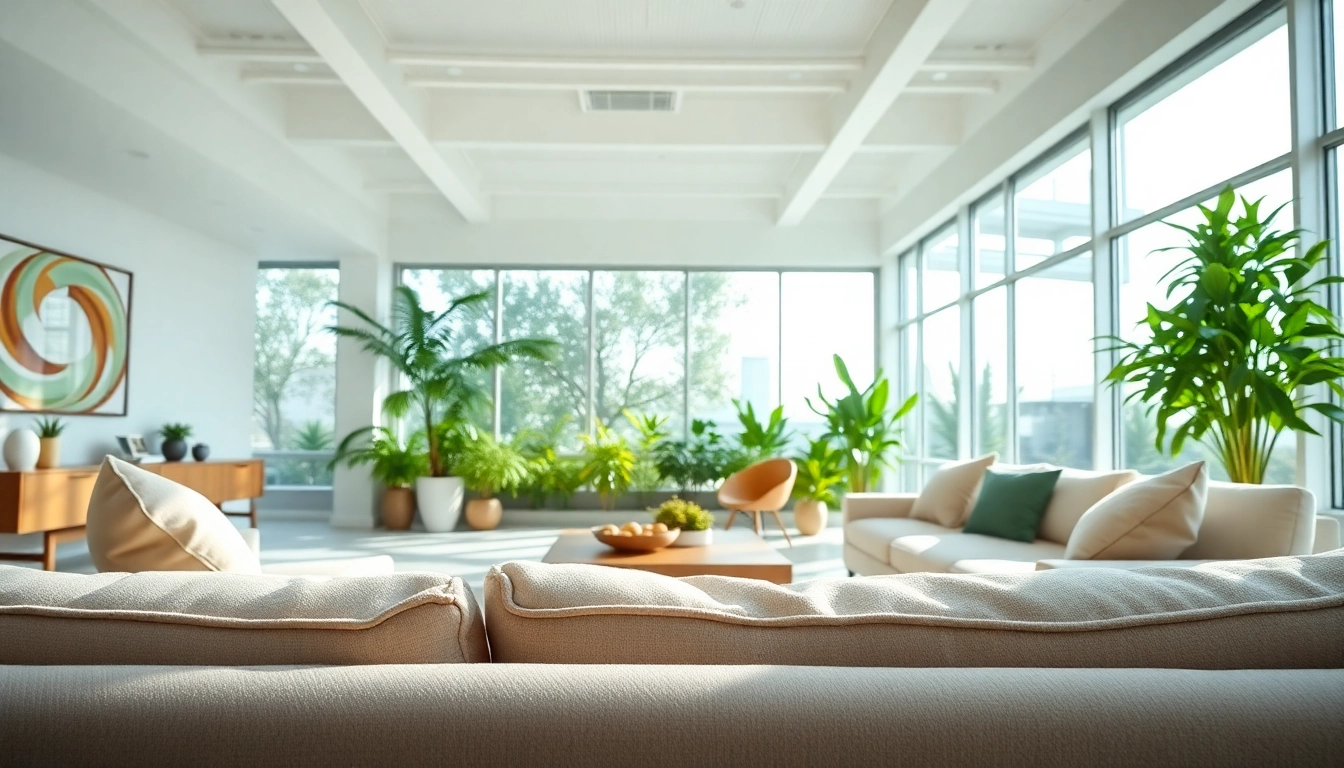
Understanding Seamless Living
Definition and Importance of Seamless Living
Seamless Living represents a lifestyle ambi gence of harmony between space, functionality, and personal well-being. It encompasses an approach to design and daily life that prioritizes the interconnectedness of our environments, aiming to create spaces that foster tranquility, efficiency, and enjoyment. Adopting Seamless Living emphasizes the importance of intentionality in how we structure our environments, making every corner serve not just a purpose but also contribute to a cohesive whole.
Core Principles of Seamless Living
The essence of Seamless Living can be distilled into several core principles. First, there is the idea of connection—between rooms, between the indoor and outdoors, and between the inhabitants and their surroundings. Next is sustainability, promoting materials and practices that minimize environmental impact. Finally, adaptability is crucial—designs should be flexible, evolving with the changing needs of the occupants. Together, these elements act as the backbone for achieving a lifestyle that brings peace, efficiency, and aesthetic value.
Benefits for Mind and Body
The impact of Seamless Living extends far beyond aesthetics. This approach to design has profound implications for mental health and physical well-being. Research suggests that environments which foster harmony and balance can reduce stress levels, enhance focus, and improve overall happiness. Furthermore, well-designed spaces can encourage physical activity, proper sleep, and healthier lifestyle choices, ultimately contributing to a holistic sense of well-being.
Designing for Seamless Living
Selecting the Right Materials
Material selection is a pivotal aspect of Seamless Living. Natural and sustainable materials such as bamboo, reclaimed wood, and stone not only minimize environmental impact but also bring warmth and texture to a space. Additionally, non-toxic finishes and fabrics contribute to a healthier indoor atmosphere. When choosing materials, consider both their functional properties and their contribution to the ambiance of your environment.
Color Schemes that Promote Harmony
Color psychology plays a powerful role in Seamless Living. Soft, neutral palettes can create a calming atmosphere, while vibrant hues can inspire creativity and energy. When choosing a color scheme, it’s vital to consider the natural light and the intended mood for each space. Cohesive color choices throughout your home can enhance flow and foster a sense of connectedness across different areas.
Space Planning for Flow and Functionality
Achieving Seamless Living requires thoughtful space planning. This involves analyzing how you move through your home and designing spaces that accommodate those flows. Open layouts often encourage interaction and connectivity, while clearly defined areas can provide necessary privacy and focus. Prioritize functionality by integrating furniture that serves multiple purposes—such as a coffee table that doubles as storage—to maximize usefulness without sacrificing design.
Enhancing Your Environment for Seamless Living
The Role of Natural Light
Natural light is essential in Seamless Living, influencing mood, energy levels, and productivity. Large windows, skylights, and open floor plans can maximize daylight penetration, reducing the need for artificial lighting during the day. Furthermore, strategically positioning mirrors can help reflect natural light deeper into spaces, enhancing the overall ambience. Consider layering window treatments to allow for adjustable light levels throughout the day.
Incorporating Nature Indoors
Bringing elements of nature indoors is a cornerstone of Seamless Living. Houseplants, natural wood furniture, and stone accents can create a tranquil, organic environment that promotes well-being. Research has shown that exposure to nature can reduce stress and enhance cognitive function. Plan for indoor gardens or green walls to improve air quality while also enhancing aesthetics and creating a peaceful atmosphere.
Reducing Clutter for Peaceful Spaces
Clutter can disrupt the sense of serenity and flow essential to Seamless Living. Creating systems for storage and organization is critical in achieving a clean, calming environment. Regular decluttering sessions can help maintain an organized space. Additionally, incorporating multifunctional furniture, such as beds with drawers or ottomans with hidden storage, can ensure you have the needed space for belongings without sacrificing style.
Technology and Seamless Living
Smart Home Features for Comfort
In the age of technology, smart home solutions can significantly enhance Seamless Living. Automated lighting, climate control, and smart appliances contribute to a convenient and comfortable lifestyle. These advanced systems can be programmed for optimal energy efficiency and personal comfort, all while streamlining daily tasks. When integrating technology, consider how it can aid in creating a space that feels cohesive and harmonious rather than overwhelming.
Integrating Tech Smoothly into Design
For technology to complement Seamless Living, it must be thoughtfully incorporated into the design. This means concealing wires, avoiding bulky devices, and ensuring that tech elements serve a purpose without dominating the aesthetic. Built-in sound systems, custom entertainment centers, and wireless charging stations can enhance connectivity without compromising style. The key is to create a seamless blend where technology enhances rather than distracts.
Maintaining Balance with Technology
While technology can enhance the Seamless Living experience, it is essential to maintain a healthy balance. Digital detoxes, creating tech-free zones, and mindful usage can prevent technology from becoming intrusive. Encourage time spent offline in nature or engaging in personal hobbies, ensuring that your living space continues to promote a sense of tranquility and connectedness with oneself and one’s surroundings.
Common Challenges in Achieving Seamless Living
Tackling Design Conflicts
When pursuing Seamless Living, design conflicts may arise due to differing tastes or functional requirements. To tackle these conflicts, open communication and compromise are vital. Collaborating with other inhabitants can lead to creative solutions that satisfy everyone’s needs. Establishing a clear design vision and sticking to core principles can also help to maintain focus and harmony throughout the decision-making process.
Managing Budget Constraints
Budgetary limitations are a common challenge when seeking to create a Seamless Living environment. Prioritizing which elements are essential for your space can help allocate funds effectively. Consider investing in key pieces that offer longevity or multifunctional use, while opting for more affordable alternatives in areas that do not require much focus. DIY projects can also provide a cost-effective way to achieve stylish, tailored solutions.
Overcoming Personal Preferences vs. Design Principles
As individual preferences can conflict with design principles of Seamless Living, finding a middle ground is essential. Begin by identifying the core principles that resonate with your lifestyle and values. Use these as a guide to refine personal tastes within that framework. Embracing flexibility and being open to exploring different styles can lead to a unique and harmonious space that reflects both individual personality and cohesive design.
Frequently Asked Questions
What is Seamless Living?
Seamless Living is an approach to design that emphasizes harmony between spaces, functionality, and personal well-being, creating serene and efficient environments.
How can I achieve Seamless Living in my home?
Focus on selecting natural materials, planning spaces for flow, maximizing natural light, and reducing clutter to foster a harmonious living environment.
What role does technology play in Seamless Living?
Technology enhances Seamless Living when seamlessly integrated into design, offering convenience while maintaining the space’s overall aesthetic and serenity.
Why is natural light important in Seamless Living?
Natural light significantly influences mood, energy, and productivity, promoting a calm and uplifting atmosphere in our living spaces.
How can I maintain balance between technology and my living space?
Setting tech-free zones, digital detoxes, and mindful usage can help maintain a balanced relationship with technology, preventing it from disrupting harmony.