Understanding Commercial Roofing Services
What Are Commercial Roofing Services?
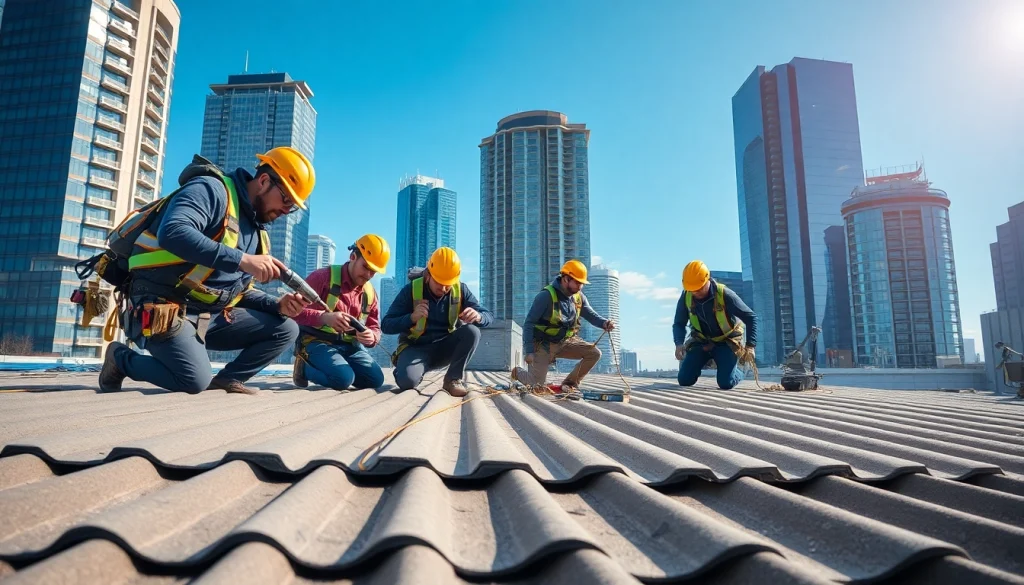
Commercial roofing services encompass a wide range of solutions designed specifically for commercial buildings. Unlike residential rooftops, commercial properties often feature larger, flat, or low-slope roofs that require specialized knowledge and materials to ensure lasting durability and efficiency. These services include installation, repair, maintenance, and regular inspections tailored to enhance the lifespan and performance of the roofing system. Engaging a professional team for commercial roofing services ensures that business owners prioritize safety, compliance with local regulations, and the overall integrity of their roof structure.
The Importance of Quality Roofing for Businesses
The roof of a commercial building acts as the primary shield against environmental factors such as rain, wind, snow, and UV radiation. Its condition directly impacts the internal environment of the business, influencing factors from energy efficiency to employee comfort. A high-quality roofing system not only protects the assets within but also preserves the building’s value over time. Additionally, businesses operating in industries that rely heavily on production, such as manufacturing or food services, must sustain a robust roofing structure to avoid potential operational downtime caused by leaks or structural failure.
Common Types of Commercial Roofing Materials
Choosing the right roofing material is a critical step in ensuring the longevity and efficiency of a commercial roof. Here are some of the most commonly used materials in commercial roofing:
- EPDM (Ethylene Propylene Diene Monomer): A popular rubber roofing membrane that is known for its exceptional durability and resistance to extreme weather conditions.
- TPO (Thermoplastic Polyolefin): A single-ply reflective roofing membrane that combines energy efficiency with smart design, making it a favored choice for many businesses.
- Modified Bitumen: Often used for flat roofs, this material provides a sturdy and waterproof barrier that can withstand heavy rains and snow.
- Metal Roofing: This includes roofs made from aluminum, steel, or copper, offering durability and longevity while being eco-friendly and recyclable.
- Built-Up Roofing (BUR): Comprising multiple layers of bitumen and reinforcing fabrics, BUR is an ideal choice for flat roofs, providing excellent waterproofing reliability.
Key Benefits of Commercial Roofing Services
Cost Efficiency in Long-Term Investments
Investing in quality commercial roofing services pays long-term dividends. While the initial cost of installing a quality roof may seem steep, the resulting energy efficiency, improved durability, and reduced maintenance needs lead to significant savings over time. A well-maintained roof can last 20-30 years or longer, minimizing the need for costly repairs or replacements. Moreover, roofing materials such as TPO and metal can reflect heat, reducing cooling costs and enhancing energy efficiency, which becomes critical in today’s environmentally conscious market.
Enhanced Durability and Protection
Commercial roofing systems are designed to withstand harsh weather conditions, notably heavy rain, hail, snow, and strong winds. A professional installation ensures that the chosen materials are appropriate for the geographic location and climate where the building is situated. Additionally, regular inspections and maintenance conducted by experienced professionals can identify and mitigate small issues before they develop into more significant structural problems, ultimately protecting the roof and the property investment.
Energy Efficiency and Sustainability Solutions
With increasing awareness around energy consumption, many businesses are looking for sustainable solutions. Commercial roofing services can include the installation of energy-efficient materials, such as cool roofs that reflect sunlight and lower temperature fluctuations. Options like green roofs, which incorporate vegetation and promote insulation, not only contribute to energy savings but also benefit the environment by reducing stormwater runoff and improving air quality. By utilizing these sustainable materials, businesses can reduce their carbon footprint and potentially qualify for tax incentives or rebates.
Choosing the Right Commercial Roofing Services Provider
Evaluating Experience and Expertise
One of the most crucial steps in selecting a commercial roofing services provider is assessing their experience and expertise. A contractor with a proven track record in commercial roofing will not only understand the technicalities involved but also be familiar with local building codes and regulations. Verify the company’s portfolio by reviewing past projects and assessing whether they align with the specific needs of your business. Engaging with industry experts can ensure that you benefit from innovative roofing solutions crafted from years of hands-on experience.
Understanding Customer Reviews and Testimonials
Customer feedback provides valuable insights into the quality of services a contractor provides. Look for online reviews and testimonials on independent platforms to gauge the satisfaction levels of previous clients. Positive reviews can indicate reliability, professionalism, and high-quality workmanship. Additionally, request references and follow up to hear firsthand accounts about the contractor’s performance, problem-solving capabilities, and adherence to timelines and budgets.
The Importance of Licenses and Insurance
When choosing a commercial roofing services provider, ensure they are fully licensed and insured. Licenses affirm that the contractor meets the necessary training and skill standards, while comprehensive insurance protects both the workers and the business owner from potential liabilities during a project. This safeguards against accidents that may occur on-site, ensuring you won’t be held responsible for any injuries or damage incurred during the roofing process.
Optimal Maintenance Practices for Commercial Roofs
Regular Inspections and Assessments
Routine inspections are essential for maintaining the integrity of a commercial roof. It is advisable to schedule professional inspections at least twice a year and after significant weather events, such as storms or heavy snowfall. During these assessments, experts will examine the roof for signs of wear and tear, including cracks, leaks, and membrane damage. By identifying potential issues early, businesses can implement preventive measures that extend the life of their roof and prevent costly emergency repairs.
Common Maintenance Tasks to Consider
Regular maintenance should cover a variety of tasks to ensure the long-term protection of commercial roofing systems. Some critical maintenance activities include:
- Clearing Debris: Regularly remove leaves, branches, and other debris to prevent drainage issues and potential mold growth.
- Checking and Cleaning Gutters and Drains: Clogged gutters can lead to water pooling on the roof, increasing the risk of leaks and structural damage.
- Inspecting Seams and Flashing: Pay special attention to seams, joints, and flashings where leaks commonly occur. Maintaining these areas can mitigate water penetration.
- Maintaining Roof Accessories: Ensure that any roof-mounted equipment, such as HVAC systems or exhaust fans, is properly secured and maintained to avoid compromising roofing integrity.
Signs Your Commercial Roof Needs Immediate Attention
Business owners should be aware of the signs that indicate a commercial roof requires immediate repair. Common indicators include:
- Visible Water Damage: Stains or discoloration on ceilings may signal leaks that need urgent attention.
- Damaged or Missing Shingles: For sloped roofs, missing or damaged shingles can lead to leaks and further deterioration.
- Ponding Water: Stagnant water that remains on the roof for 48 hours or more should be addressed to prevent roofing material deterioration.
- Mold or Mildew Growth: Unusual growth on the roof surface may indicate water infiltration and could lead to health hazards if not addressed quickly.
Future Trends in Commercial Roofing Services
Emerging Roofing Technologies and Materials
The commercial roofing industry is continually evolving, driven by technological advancements and changing market demands. Emerging technologies include smart roofing systems equipped with sensors that monitor conditions such as temperature, moisture, and structural integrity. These systems can notify property managers of potential issues, enabling proactive maintenance strategies. Additionally, the development of innovative materials, such as self-healing membranes and sustainable composites, is set to enhance durability and performance.
Environmental Considerations and Innovations
Sustainability continues to be a focal point in the commercial roofing sector. Many businesses are opting for eco-friendly materials and practices, including green roofing installations that promote biodiversity and provide insulation benefits. Solar panels integrated into roofing systems are gaining popularity, capitalizing on renewable energy while also lowering operational costs. As regulations become stricter and environmental responsibility becomes a priority, the demand for sustainable roofing solutions will likely increase.
Adapting to Changing Market Demands
The commercial roofing industry must stay agile in response to evolving market trends. As businesses seek more than just roofing solutions, providers are expected to offer value-added services such as enhanced warranties, comprehensive maintenance plans, and customer support. Understanding the specific needs and preferences of different industries will also shape how roofing services are provided in the future, ensuring businesses receive tailored solutions that align with their operational goals and sustainability commitments.