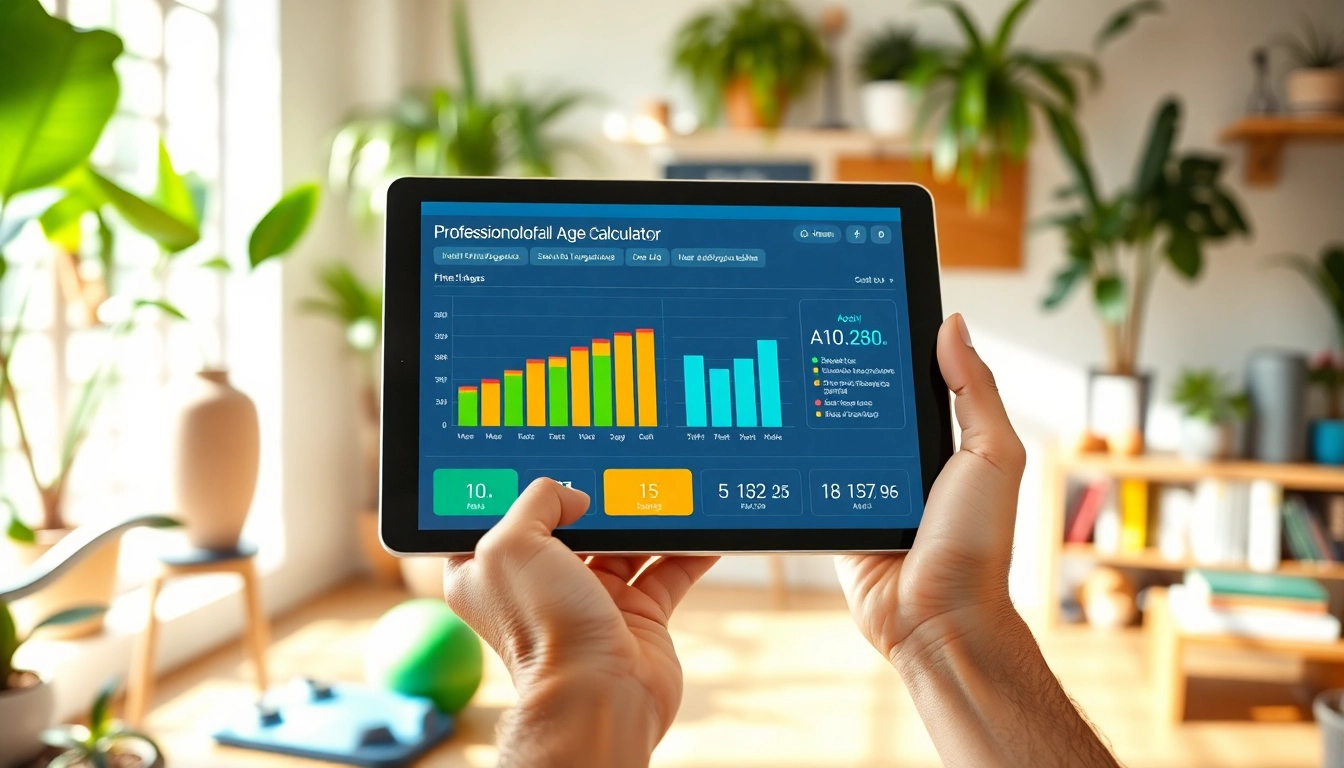
Understanding Biological Age and Its Importance
In an age where wellness and longevity are at the forefront of many discussions, understanding the concept of biological age has become more critical than ever. Unlike chronological age, which simply counts the years since birth, biological age assesses how well your body is functioning relative to your actual age. This nuanced understanding can drive better health decisions. To better grasp your biological age, utilizing a biological age calculator can provide insightful metrics on your health and lifestyle strides.
What is Biological Age?
Biological age refers to how old your body seems based on various biological markers rather than simply counting the years since your birth. Essentially, while two individuals may be the same chronological age, their biological age can differ vastly due to factors such as genetics, lifestyle choices, environmental exposures, and overall health. This disparity is often assessed through various health indicators, including blood pressure, cholesterol levels, organ function, and even DNA analysis.
The Difference Between Biological Age and Chronological Age
While chronological age gives a straightforward metric — the number of years lived — biological age unveils a more complex picture of aging. It encapsulates the physiological condition of an individual and reflects cumulative effects of factors like stress, nutrition, and exercise. For instance, a 50-year-old who leads a sedentary lifestyle may have a biological age of 60, while an active individual in the same age range could have a biological age of 40. Understanding this difference allows individuals to target their health improvements more effectively.
Why Biological Age Matters for Your Health
Your biological age can provide critical insights into your overall health status and longevity potential. Research indicates that those with a younger biological age tend to have better health outcomes and lower risks for chronic diseases. By measuring biological age, individuals gain the ability to identify health concerns early and tailor their lifestyle choices to enhance both longevity and quality of life. This focus on biological age can motivate individuals to make necessary changes in their daily habits, leading to longer, healthier lives.
How to Use a Biological Age Calculator
Utilizing a biological age calculator can offer valuable insights into your current health status. These tools analyze various health and lifestyle parameters to assess your biological age. Here’s a comprehensive guide on how to effectively use one.
Step-by-Step Guide to Inputting Data
To use a biological age calculator, one typically needs to enter information related to personal health parameters. While there are variations among calculators, common inputs include:
- Age: Enter your chronological age.
- Gender: This can influence various health indicators.
- Health Indicators: Include metrics like blood pressure, cholesterol levels, and glucose levels.
- Lifestyle Habits: Document your smoking, alcohol consumption, diet, and exercise frequency.
- Medical History: Factors such as chronic illness and family health history may be considered.
After filling in this information, you can initiate the calculation to obtain your biological age.
Interpreting the Results of the Biological Age Calculator
Upon receiving your biological age results, it's essential to interpret them accurately. If your biological age is lower than your chronological age, it usually signifies that you’re living a healthier lifestyle or have genetic advantages. Conversely, a biological age that exceeds your chronological age may indicate areas where health improvement is required. Many calculators also provide recommendations for improving your biological age based on the input data, allowing you to take actionable steps towards better health.
Common Metrics Assessed by Calculators
Biological age calculators typically assess a multitude of metrics. Key areas often evaluated include:
- Physical Fitness: Indicators such as body mass index (BMI), waist-to-hip ratio, and cardiovascular fitness.
- Nutrition: Overall dietary habits, micronutrient levels, and caloric intake.
- Mental Health: Stress levels, sleep quality, and cognitive function.
- Biochemical Markers: Measures derived from blood tests reflecting organ function and metabolic health.
By assimilating data from these metrics, calculators can provide a comprehensive overview of your biological state.
Factors That Influence Biological Age
Various factors contribute to determining biological age, with significant emphasis on genetics, lifestyle choices, and environmental settings. Understanding these factors can empower you to take charge of your health.
The Role of Genetics in Aging
Genetics undoubtedly plays a pivotal role in biological age. Certain genetic markers can influence how one ages, including predispositions to various diseases and the body's cellular repair mechanisms. For instance, some individuals may possess genetic advantages that facilitate longevity and vitality, allowing them to maintain a lower biological age compared to peers. Understanding family health history can thus provide insight into inherited traits that may affect one’s aging process.
Lifestyle Choices Impacting Your Biological Age
Lifestyle choices, perhaps more than any other factor, can significantly alter biological age. Key lifestyle aspects that usually impact aging include:
- Diet: Consuming a balanced, nutrient-rich diet can slow the aging process, while poor dietary choices can speed it up.
- Exercise: Regular physical activity is associated with decreased biological age, as it promotes cardiovascular health and maintains muscle mass.
- Sleep: Sufficient sleep is crucial for cellular repair and combating stress, directly influencing biological aging.
- Stress Management: Chronic stress is linked to various health issues, contributing to increased biological aging.
By making conscious decisions in these areas, individuals can mitigate the effects of aging.
Environmental Factors and Their Effects on Aging
The environment in which one lives also plays a significant role in biological aging. Factors such as pollution, sunlight exposure, and even surrounding social conditions can influence health outcomes. For instance, individuals living in polluted areas might show accelerated biological aging due to heightened oxidative stress. Alternatively, supportive social networks may foster healthier lifestyles, thereby impacting biological age positively. Addressing environmental influences is thus crucial for overall well-being.
Improving Your Biological Age Score
Armed with an understanding of your biological age, you may wish to adopt strategies to enhance it. Improving biological age is less about the number itself and more about optimizing overall health.
Tips for Healthy Living to Reduce Biological Age
To enhance your biological age, focus on actionable strategies related to lifestyle and health management. Here are some effective tips:
- Adopt a Whole-Food Diet: Prioritize whole grains, lean proteins, healthy fats, fruits, and vegetables.
- Stay Hydrated: Good hydration plays a vital role in cellular function and overall health.
- Engage in Regular Exercise: Aim for at least 150 minutes of moderate exercise each week.
- Prioritize Sleep: Aim for 7-9 hours of sleep each night to aid recovery and rejuvenation.
- Practice Stress Reduction: Employ techniques such as mindfulness, yoga, and deep-breathing exercises.
By adhering to these strategies consistently, one can positively influence biological age.
Nutrition and Its Impact on Biological Age
Nutrition is vital for maintaining health and influencing biological age. Nutritional quality can either promote longevity or lead to accelerated aging. Focus on incorporating:
- Antioxidant-rich Foods: Foods such as berries, dark chocolate, and green leafy vegetables can combat oxidative stress.
- Omega-3 Fatty Acids: Found in fish, flaxseeds, and walnuts, these have been shown to reduce inflammation and support heart health.
- Reduced Processed Foods: Limiting high-sugar, high-fat processed foods can improve metabolic health and enhance biological function.
Paying attention to nutrition not only aids in fitness but can also slow the aging process significantly.
Physical Activity and Biological Age: What You Need to Know
Engaging in regular physical activity is one of the most impactful choices you can make concerning your biological age. Various forms of exercise contribute differently:
- Aerobic Exercise: Activities like walking, running, and swimming enhance cardiovascular health, reducing biological age.
- Strength Training: Building muscle mass is essential for maintaining metabolism and overall strength, particularly as we age.
- Flexibility and Balance Exercises: Practices like yoga or Pilates can improve overall agility, reducing the risk of injury with age.
Establishing a balanced exercise regime can greatly reduce your biological age over time.
Case Studies and Real-Life Applications
Understanding the transformative impact of monitoring biological age can be enhanced through real-life examples. Here, we explore some success stories that illustrate tangible health improvements.
Success Stories: Individuals Who Improved Their Biological Age
Many individuals have reported positive changes in their biological age by making intentional lifestyle alterations. One such case involved a 45-year-old male who had a biological age of 55. After implementing a structured health plan, featuring regular exercise, a plant-based diet, and stress management techniques, he reduced his biological age by four years in just six months.
Another inspiring story features a woman in her late 60s who improved her biological age through the incorporation of daily yoga and mindfulness practices alongside healthy eating. Her biological age decreased remarkably over a year, helping her alleviate joint pain and enhance energy levels significantly. These stories exemplify that proactive health strategies can lead to measurable improvements in biological age.
Long-term Benefits of Monitoring Biological Age
Regularly assessing and monitoring biological age may yield long-term health benefits. Individuals who track their biological age may be better motivated to maintain healthy habits, leading to a reduction in chronic disease risks. Many also report increased awareness of health conditions that may require attention. Tracking biological age helps create a baseline to motivate and engage with healthcare providers, ensuring continuous improvement is a team effort.
Tools and Resources for Continuous Improvement
Several resources are available today for individuals keen on improving their understanding of biological age. Utilizing health apps focused on fitness tracking, nutrition planning, and mindfulness can significantly enhance one’s health journey. Engaging with healthcare professionals to receive tailored suggestions can also provide the necessary guidance towards achieving a younger biological age. Utilizing regular assessments and scientific advancements related to biological age will empower individuals to take charge of their health actively.