
Understanding the Foundations of Gaming at https://rokok88.net
The world of gaming is vast and continually evolving, offering players an array of experiences, genres, and technologies. For both newcomers and seasoned gamers, understanding the fundamentals of gaming is essential to enhancing enjoyment and skill development. At https://rokok88.net, you can find a wealth of resources tailored to guide you through the intricate world of gaming, helping you master the art of play.
Defining Your Gaming Genre Preferences
When starting your gaming journey, identifying your genre preferences can significantly enhance your experience. Whether you are drawn to action-packed shooters, intricate role-playing games (RPGs), or strategic strategy games, understanding what you enjoy will help you choose titles that keep you engaged. As genres continue to evolve, many games now blend elements from various categories, allowing for richer gameplay experiences.
- Action/Adventure: Games that combine elements of action with adventuring and exploration.
- RPG: Focus on character development and storyline, often set in expansive worlds.
- Simulation: Mimics real-life experiences, from farming to city management.
- Strategy: Requires critical thinking and foresight, typically involving resource management.
Key Skills Every Gamer Should Develop
As you engage with various games, developing specific skills can greatly enhance your performance. Key skills include:
- Hand-eye Coordination: Essential for precision and reaction times in fast-paced environments.
- Strategic Thinking: The ability to plan several moves ahead can lead to success in competitive scenarios.
- Teamwork: Many games are team-based, requiring effective communication and collaboration with others.
- Adaptability: The gaming landscape is ever-changing; being open to learning new mechanics and strategies is vital.
Common Misconceptions About Gaming Mastery
There are several myths that can deter aspiring gamers. Understanding these misconceptions is key to approaching gaming with a clear and focused mindset. Common myths include:
- Gaming is solely a waste of time: Many games enhance problem-solving and critical thinking skills.
- You must be naturally talented: While some skills can be innate, most are developed through practice and dedication.
- Only younger players can be successful: The gaming community spans all age groups, with many players excelling later in life.
Stage 1: Building Your Gaming Setup
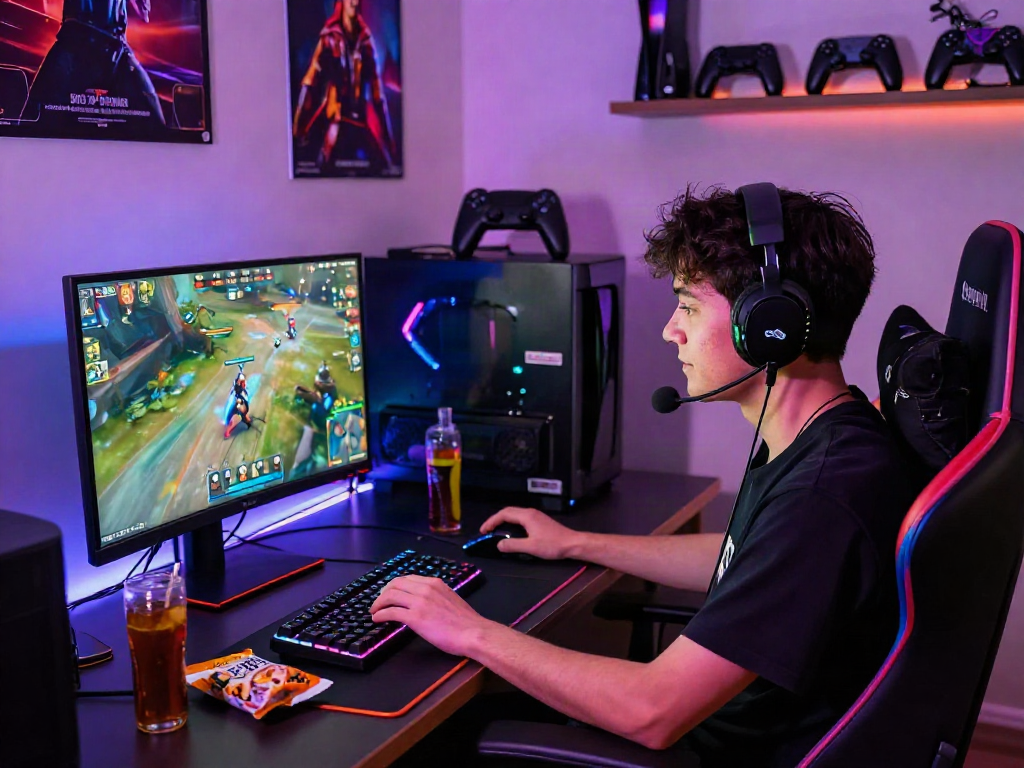
Creating a comfortable and efficient gaming setup is foundational for both casual and competitive gamers. A well-thought-out environment can greatly influence your focus and performance. Essential aspects include your hardware, accessories, and overall atmosphere.
Essential Hardware for Competitive Gaming
Investing in the right hardware can significantly improve gameplay. Key components include:
- Gaming PC/Console: Depending on your preferred games, choose a high-performance machine with adequate specifications.
- Monitor: A high refresh rate and low response time monitor can provide smoother visuals.
- Peripherals: Quality keyboards, mice, and headsets enhance gameplay experience and communication.
Optimizing Your Gaming Environment
Creating the right atmosphere can enhance immersion. Consider factors such as lighting, ergonomics, and comfort in your gaming space. Using ambient lighting can reduce eye strain, while an ergonomic chair supports long hours of gaming.
Choosing the Right Accessories for Comfort and Performance
Investing in accessories can enhance both comfort and performance. Options include:
- Mousepad: A large, smooth mousepad for better control.
- Controller: If you prefer console gaming, an ergonomic controller can make a significant difference.
- Headphones: High-quality headphones improve sound immersion and communication.
Stage 2: Developing Game Strategies
Once you have your setup, it's time to dig into game strategies that will enhance your performance and progress. Understanding game mechanics and the current meta can provide you with a competitive edge.
Studying Game Mechanics and Meta
Every game has its mechanics and meta (the most effective tactics available). Taking time to study these can dramatically improve your gameplay. Look at how different characters or classes perform and adapt your strategies accordingly.
Creating Effective Team Dynamics
In multiplayer games, successful coordination with your team is critical. Establish roles, communication channels, and strategies that capitalize on your team's strengths. Consider playing with a consistent group to build synergy.
Adapting Strategies for Different Gaming Genres
Each genre requires different approaches, so flexibility is key. For instance, strategies in an RPG focus on character development while a shooter emphasizes reflexes and accuracy. Tailor your strategies to fit the game's requirements.
Stage 3: Practicing for Improvement
Improvement comes with practice and dedication. Setting goals and seeking feedback can facilitate this growth. Utilize various resources to guide your development.
Setting Realistic Goals and Tracking Progress
Establishing SMART (Specific, Measurable, Achievable, Relevant, Time-bound) goals can provide direction in your practice. Track your progress to evaluate your improvement and make necessary adjustments.
Incorporating Feedback and Learning Opportunities
Seeking feedback from peers can be invaluable. Whether through casual conversations or watching replays, learn from both your successes and mistakes to continuously adapt your gameplay.
Utilizing Resources: Tutorials, Streams, and Communities
The gaming community is vast, offering several resources for improvement. Tutorials, live streams, and community forums provide valuable insights into strategies and techniques that can elevate your understanding of various games.
Stage 4: Competing and Evolving in Gaming
Once you feel confident in your skills, consider stepping into the competitive scene. Participating in tournaments not only tests your abilities but also connects you with like-minded players who share your passion.
Joining Online Tournaments and Competitions
With many platforms hosting online tournaments, participating can be a thrilling experience. Find competitions relevant to your skill level and genre to test your abilities and gain exposure.
Analyzing Performance Metrics for Growth
After competing, reviewing your performance metrics can provide insight into areas for improvement. Many games offer detailed statistics that can inform your strategies and gameplay decisions.
Staying Ahead of Trends and Innovations in 2026
The gaming industry is constantly advancing, with new technologies and trends shaping experiences. Keeping abreast of developments in hardware, game mechanics, and community dynamics will enable you to adapt and thrive in the future gaming landscape.
What are the best gaming genres for beginners?
For newcomers, genres such as puzzle games, casual simulations, and narrative-driven experiences are often recommended. These genres provide engaging gameplay without overwhelming complexity.
How can I improve my gaming setup effectively?
Start by assessing what aspects of your current setup could be enhanced, focusing on ergonomics, display quality, and input devices. Incremental improvements can lead to better comfort and performance.
What resources are available for mastering game strategies?
Online tutorials, community forums, and gameplay analysis videos are excellent resources for honing your strategic understanding. Engaging with experienced players can also provide fresh perspectives.
How do I participate in online gaming competitions?
Research platforms like Twitch or Discord to link with others, and keep an eye on gaming news for upcoming tournaments. Many communities will also host their events, and online sign-ups are often straightforward.
What future trends should gamers focus on in 2026?
Emerging trends include advancements in virtual reality, the rise of cross-platform gaming, and the integration of AI in game design. Staying informed about these trends will ensure you remain at the forefront of gaming culture.