Understanding Rope Bridge Design Basics
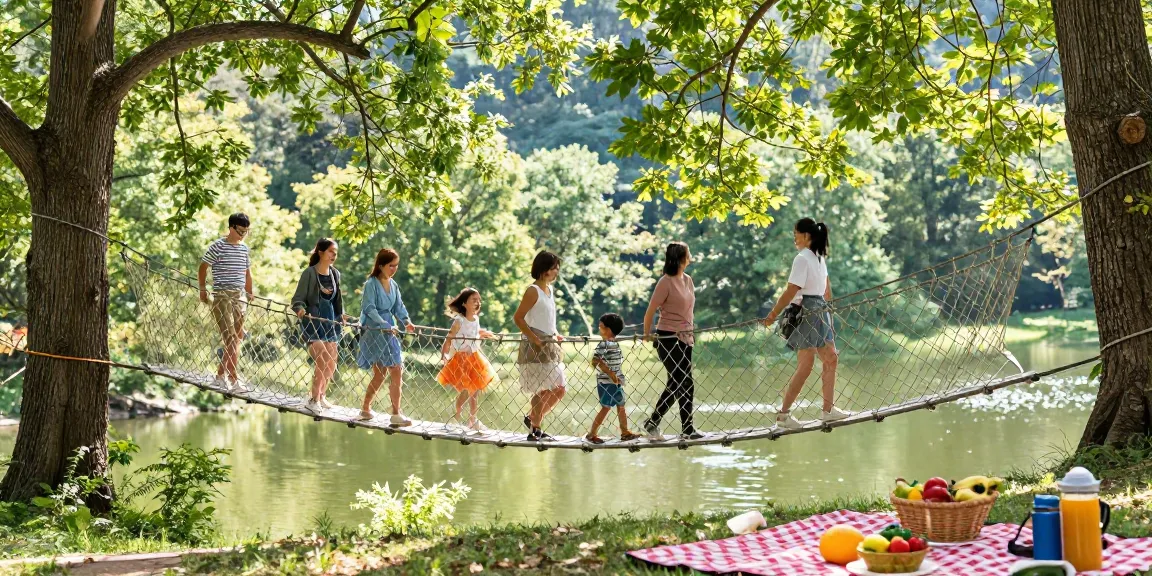
Rope bridges are a quintessential part of both functional and recreational architecture, offering unique pathways across challenging terrain. Whether spanning a small stream in a backyard or linking treehouses in a children’s playground, the Rope Bridge design facilitates adventure and exploration. This article delves into the intricacies of rope bridge design, offering insights into the fundamentals, types, and essential steps for planning and constructing these structures.
What is a Rope Bridge?
A rope bridge is a type of bridge that uses ropes as its primary support structure. Traditionally made from natural materials like hemp or sisal, modern designs may incorporate synthetic materials such as nylon or polypropylene. The flexibility and lightness of ropes allow for innovative designs that can span various obstacles with minimal environmental impact.
History and Evolution of Rope Bridges
The concept of rope bridges can be traced back thousands of years, with examples found in various cultures around the globe. Early rope bridges, often constructed using natural fibers and wooden supports, were particularly prominent in mountainous regions of Peru and Tibet. Over time, advancements in materials and engineering have led to modern interpretations, such as suspension and cantilevered designs, enhancing both durability and functionality.
Fundamental Principles of Rope Bridge Design
Successful rope bridge design hinges on several fundamental principles, including load distribution, material selection, and safety considerations. Understanding these principles allows builders to create structures that are not only aesthetically pleasing but also stable and long-lasting. Key factors include the tension of the ropes, the weight they must support, and environmental forces such as wind and weather.
Types of Rope Bridges
Overview of Different Rope Bridge Designs
Rope bridges come in various forms, each suited to different purposes and environments. Common types include:
- Suspended Rope Bridges: These bridges hang between two points and are typically used for spanning longer distances.
- Fixed-Bearing Rope Bridges: These consist of a fixed support structure with ropes providing stability; ideal for shorter spans.
- Log Rope Bridges: These use logs in conjunction with ropes, often found in rural settings or adventure parks.
Suspended vs. Fixed-Bearing Rope Bridges
Understanding the differences between suspended and fixed-bearing rope bridges is crucial for selecting the right design for any project. Suspended bridges are flexible and can accommodate movement, making them ideal for longer spans, while fixed-bearing bridges provide more rigidity and are suitable for shorter distances. Each type has its advantages, depending on the intended use and environmental conditions.
Choosing the Right Type for Your Project
The choice of rope bridge type should be dictated by several factors: the distance to be crossed, the load requirements, aesthetic preferences, and site-specific challenges such as terrain and weather. Effective planning will involve assessing these elements in detail to ensure a safe and practical design.
Planning Your Rope Bridge Project
Site Assessment and Considerations
Before embarking on a rope bridge project, a thorough site assessment is essential. Factors such as soil stability, existing vegetation, and proximity to hazards need to be evaluated. Topographical surveys can help determine the best locations for support structures, while environmental assessments ensure compliance with conservation laws.
Regulatory and Safety Requirements
Compliance with local building codes and safety regulations is critical for rope bridge construction. This includes obtaining necessary permits and adhering to standards that govern load limits, structural integrity, and safety features such as guardrails and non-slip surfaces.
Essential Materials for Construction
The selection of materials is paramount in rope bridge design. Key materials typically include high-strength ropes, durable anchor points, and weather-resistant decking. Using materials suited for the local climate will enhance the longevity and safety of the bridge.
Designing Your Rope Bridge
Creating Detailed Design Specifications
Developing detailed design specifications is essential in ensuring that all aspects of the project are well thought out. This includes drafting plans that reflect the intended dimensions, load capacities, and aesthetic goals of the bridge. Using modelling software can aid in visualisation and structural analysis.
Calculating Load and Tension Factors
Accurate calculations of load and tension are critical in rope bridge design. This includes considering the weight of the bridge itself, the maximum number of users, and environmental loads such as wind and snow. Engineers often use formulas and simulations to predict how the bridge will perform under various conditions.
Collaborating with Design Professionals
Engaging with architects or structural engineers can provide invaluable expertise during the design phase. These professionals can ensure that the bridge not only meets aesthetic goals but also adheres to safety standards and structural requirements.
Building and Maintaining Your Rope Bridge
Step-by-Step Construction Process
The construction of a rope bridge involves multiple stages, starting with site preparation and foundation work, followed by the installation of cables and decking. Each step must be meticulously executed to ensure safety and durability. A detailed construction timeline can help manage progress and anticipate challenges.
Maintenance and Safety Checks for Longevity
Regular maintenance is crucial for the safety and longevity of a rope bridge. This includes inspections of ropes, anchor points, and structural components to identify potential wear or damage. Establishing a routine maintenance schedule ensures the bridge remains safe for users.
Case Studies of Successful Rope Bridge Projects
Examining successful rope bridge projects can provide valuable insights into effective design and construction practices. For instance, a community project in the Welsh countryside featured a suspended rope bridge that linked two popular hiking trails, combining functionality with stunning views. Such projects often highlight the importance of community involvement and sustainable practices.
How do I build a rope bridge?
Building a rope bridge is a multi-step process that involves careful planning, site assessment, and adherence to design principles. Start by selecting the site and designing the blueprint, followed by gathering materials and constructing the support structures before finally assembling the bridge itself.
What are the different types of rope bridges?
There are several types of rope bridges, including suspended, fixed-bearing, and log rope bridges, each tailored to specific needs and environments. Understanding these types can help in choosing the right design for any project.
How much does a rope bridge cost?
The cost of constructing a rope bridge varies significantly based on materials, design complexity, and site conditions. On average, budgets can range from a few hundred to several thousand pounds, necessitating a detailed cost analysis during the planning phase.
What is the simplest bridge design?
The simplest bridge design is often considered to be the beam bridge, which requires minimal materials and construction effort. In the context of rope bridges, a basic log bridge with a few ropes may represent a straightforward and practical solution.
How to build a rope bridge between trees?
Building a rope bridge between trees involves selecting robust trees, securing anchor points, and ensuring proper tension is applied to the ropes. This type of bridge adds an element of adventure and can serve as a fun addition to a backyard or outdoor adventure park.