
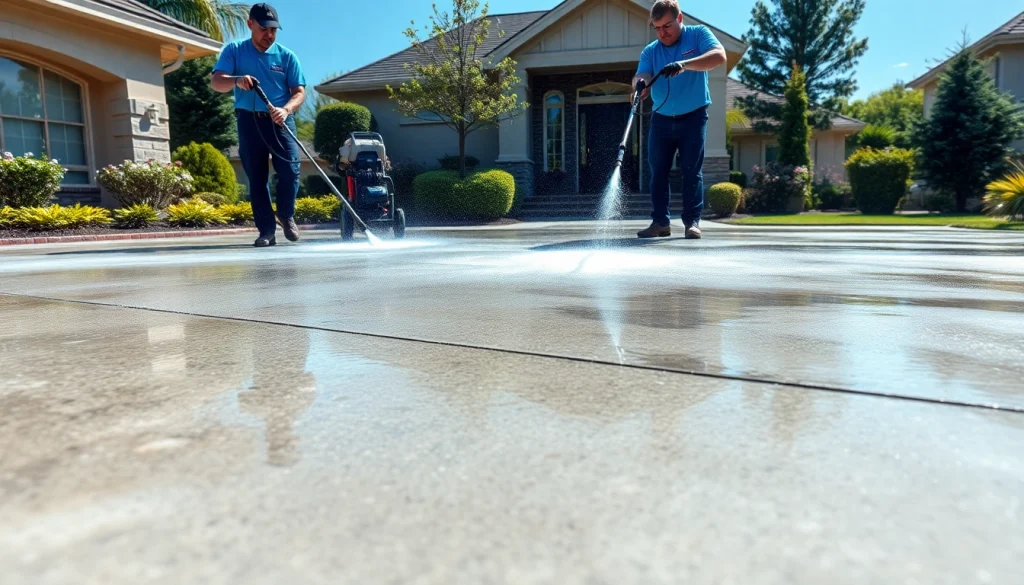
Understanding Concrete Cleaning Basics
Concrete cleaning is a vital maintenance task that can significantly impact the aesthetic and structural integrity of your property. In areas such as Kissimmee, Florida, the accumulation of dirt, mildew, and stains can diminish a property’s curb appeal and even pose risks to safety. Whether you’re considering a DIY approach or engaging professionals, understanding the fundamentals of concrete cleaning can help you make informed decisions that preserve your surfaces. For those looking to gain a deeper understanding of concrete cleaning, this guide will break down the essentials, techniques, and benefits involved.
What is Concrete Cleaning?
Concrete cleaning encompasses a variety of methods aimed at restoring the appearance and condition of concrete surfaces, including driveways, walkways, patios, and flooring. This process typically involves the removal of embedded dirt, stains, algae, and mildew using specialized equipment and cleaning agents. By restoring the cleanliness of these surfaces, homeowners not only enhance their property’s aesthetic appeal but also prolong the lifespan of the concrete itself.
Common Types of Concrete Dirt and Grime
Concrete surfaces endure a myriad of contaminants, which can lead to unsightly stains and surfaces that invite algae growth. Common issues include:
- Oil and Grease Stains: Commonly found on driveways and garage floors, these stains can be tough to remove without proper cleaning techniques.
- Mold and Mildew: Often a result of moisture accumulation, mold thrives on concrete, creating slippery surfaces that pose safety risks.
- Rust and Mineral Deposits: These can stem from metal furniture or pipes near concrete, leaving unsightly marks that are difficult to eliminate.
- General Dirt and Grime: Everyday wear and tear leads to the buildup of dirt, which may appear as a dull film over time.
Benefits of Regular Concrete Cleaning
Maintaining clean concrete surfaces provides several advantages:
- Enhanced Aesthetic Appeal: A clean and well-maintained driveway or patio can significantly improve the overall look of your property.
- Extended Lifespan: Regular cleaning helps prevent deterioration caused by mold, mildew, and stains, extending the life of your concrete.
- Improved Safety: Removing slippery substances reduces fall hazards, ensuring safer conditions for family and guests.
- Increased Property Value: Well-maintained surfaces can enhance the resale value of your home, making a positive impression on potential buyers.
Best Practices for Effective Concrete Cleaning
To achieve optimal results in concrete cleaning, it’s important to follow best practices that enhance the effectiveness and safety of your efforts. Here are some guidelines:
Choosing the Right Equipment for Concrete Cleaning
Investing in the right equipment is crucial for successful concrete cleaning. For DIY enthusiasts, a pressure washer with adjustable pressure settings is often the best choice. Commercial-grade machines are recommended for more extensive or stubborn cleaning tasks. Additionally, having accessories such as surface cleaner attachments can enhance efficiency by covering larger areas without streaking.
Eco-Friendly Cleaning Solutions for Concrete Surfaces
Many homeowners are becoming increasingly aware of the environmental impact of cleaning agents. Fortunately, there are eco-friendly solutions available that effectively clean concrete without harsh chemicals. Ingredients such as vinegar, baking soda, and oxygen bleach can break down stains and grime without compromising the health of your yard or the local ecosystem.
Safety Precautions During Concrete Cleaning
Safety should always be a priority when undertaking concrete cleaning. Here are some precautions:
- Wear Protective Gear: Use safety goggles, gloves, and masks to protect yourself from debris and cleaning agents.
- Check Equipment: Ensure your pressure washer and other equipment are in good working condition to prevent accidents.
- Clear the Area: Remove obstacles and hazards from the cleaning area to prevent tripping or unnecessary damage.
Step-by-Step Guide to Concrete Cleaning
Follow these steps for a thorough concrete cleaning experience:
Preparing the Area for Cleaning
Before starting the cleaning process, it’s essential to prepare the area. Clear away furniture, planters, and any debris that may obstruct the cleaning path. Sweeping the surface to remove loose dirt and debris will make the cleaning more effective and prevent the spread of grime during washing.
Applying Cleaners and Techniques
After preparation, apply a suitable concrete cleaner to the surface. Allow it to sit for a few minutes to break down stubborn stains. Use a pressure washer or a scrub brush to work the cleaner into the concrete, focusing on heavily stained areas. The right nozzle for your pressure washer is crucial; generally, a wide spray pattern (25-40 degrees) is ideal for concrete.
Post-Cleaning Maintenance for Concrete
To maintain the cleanliness of your concrete, consider sealing the surface after cleaning. A good sealant can prevent stains from settling in and make future cleanings easier. Regular maintenance, such as periodic cleaning and inspection for cracks or damage, will help keep your concrete looking its best.
Common Challenges and Solutions in Concrete Cleaning
Concrete cleaning can present challenges, but many can be overcome with the right knowledge and strategies. Below are common issues encountered and how to address them:
Addressing Stubborn Stains on Concrete
Stubborn stains require extra attention. For oil stains, applying a degreaser and letting it soak before scrubbing can be effective. Grease-cutting dish soap combined with hot water also works well for tough stains. For rust stains, commercial rust removers or a paste of baking soda and water can significantly help.
Understanding Pressure Levels and Their Effects
Using the correct pressure level is crucial to avoid damaging the concrete. Generally, 3,000 to 3,500 PSI is effective for cleaning most surfaces, but lower pressures (1,500-2,500 PSI) may suffice for residential cleaning. Always begin with a lower pressure to test the impact on your concrete.
Resolving Surface Damage During Cleaning
In some cases, improper cleaning techniques can lead to surface damage. Always test a small, inconspicuous area before proceeding. If damage occurs, repairs might include filling cracks and applying a new sealant to protect the surface.
Future Trends in Concrete Cleaning
As we move into 2025, various trends are shaping the landscape of concrete cleaning and maintenance:
Innovative Technologies for Concrete Maintenance in 2025
Emerging technologies such as automated cleaning robots and advanced pressure washing systems are being developed to streamline the cleaning process. These innovations promise faster, more efficient cleanings while maintaining high safety standards.
Shifts Toward Eco-Friendly Practices in Concrete Care
With the increasing emphasis on sustainability, the demand for eco-friendly cleaning solutions is on the rise. Manufacturers are developing biodegradable agents that effectively clean while minimizing environmental impact.
Market Insights: Demand for Concrete Cleaning Services
The demand for professional concrete cleaning services is projected to grow as homeowners recognize the importance of maintaining their properties. Acquiring skills in concrete care will be an invaluable asset for cleaning service providers in the coming years. Consumers increasingly value high-quality, detailed cleaning services that enhance both safety and aesthetics.