Understanding Biological Age
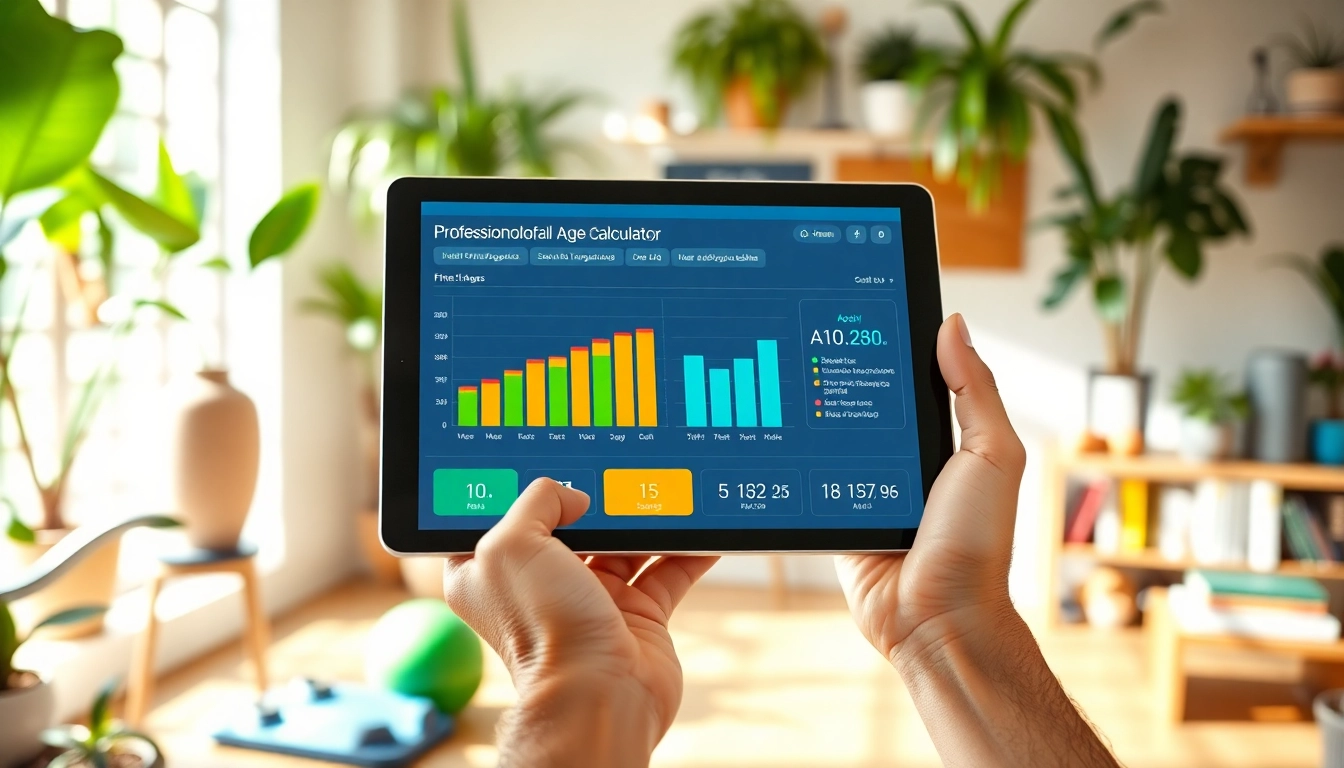
As we journey through life, we often focus on chronological age—the number of years since our birth. However, biological age offers a more nuanced perspective on our health, potentially revealing how well our bodies have aged compared to the calendar years. For those interested in this concept, utilizing a biological age calculator can help uncover insights about your health beyond mere numbers.
What is Biological Age?
Biological age refers to the physiological state of your body as opposed to your chronological age. It encompasses various factors including genetics, lifestyle, and environmental influences, which together contribute to how our bodies age. Biological age can be assessed through various means such as blood tests, lifestyle assessments, and genetic evaluations. A lower biological age compared to chronological age indicates a healthier, more youthful body, whereas a higher biological age may signal underlying health issues that require attention.
Differences Between Biological and Chronological Age
The distinction between biological and chronological age is significant. Chronological age is simply a measure of time, while biological age reflects an individual’s health and wellness indicators. Here are the key differences:
- Basis of Measurement: Chronological age is fixed and does not change, whereas biological age can be improved or deteriorated based on lifestyle choices and health status.
- Health Indicators: Biological age can indicate how well your body is functioning at a cellular level, taking into account factors like muscle mass, bone density, and metabolic health.
- Predictive Value: Biological age may provide better insights into longevity and potential health risks, helping individuals identify areas for improvement in their health regimes.
Importance of Monitoring Biological Age
Understanding and monitoring biological age is crucial for several reasons:
- Health Optimization: By identifying your biological age, you can optimize your health strategies and focus on areas of improvement.
- Personal Accountability: Knowing your biological age holds you accountable for your lifestyle choices, motivating you to make healthier decisions.
- Preventative Measures: Early detection of age-related health issues can lead to preventative measures, reducing the risk of chronic diseases.
How to Use the Biological Age Calculator
Using a biological age calculator is a straightforward yet comprehensive process that can yield valuable insights. Here’s how to effectively utilize these tools.
Inputting Your Data Effectively
When using a biological age calculator, the accuracy of your results largely depends on the quality of the data you provide. Here are some tips for effective data input:
- Be Honest: Ensure that the information you enter is truthful and precise, especially related to your lifestyle habits.
- Include All Relevant Factors: Most calculators ask about various health metrics such as blood pressure, cholesterol levels, and fitness routines. Include all requested data for the best accuracy.
- Regular Updates: As your lifestyle changes, it’s important to update your inputs to reflect your current health status.
Interpreting Your Results
Once you receive your biological age results, it’s important to interpret them effectively to understand their implications for your health:
- Compare with Chronological Age: Assess how your biological age relates to your chronological age; a damaging disparity can signal the need for lifestyle changes.
- Identify Risks: If your biological age is significantly higher than your chronological age, investigate potential health risks and consider consulting a healthcare professional.
- Establish Goals: Use your biological age as a benchmark for set health-related goals to work toward a younger biological age.
Common Mistakes to Avoid
While using a biological age calculator can be beneficial, there are common pitfalls to be aware of:
- Ignoring Context: Biological age results should not be seen in isolation; consider your overall health and lifestyle context.
- Over-Reliance on Technology: While calculators are great tools, they are not substitutes for professional medical advice; always consult with healthcare providers when needed.
- Neglecting Follow-Ups: Regular assessments are key. Treat the biological age calculator as part of an ongoing health monitoring process.
Factors Influencing Biological Age
Understanding what influences biological age can empower you to make informed choices about your health. Here are critical factors that play a role:
Genetics and Biological Age
Genetics plays a fundamental role in determining biological age. Your genetic makeup influences how your body reacts to environmental factors and aging processes. While you cannot change your genetics, understanding your family history can help you anticipate potential health issues and take preventative actions to maintain your vitality.
Lifestyle Choices Impacting Biological Age
Your daily lifestyle choices significantly impact your biological age. Consider the following factors:
- Physical Activity: Regular exercise can slow the aging process by improving cardiovascular health and maintaining muscle mass.
- Stress Management: Chronic stress can have adverse effects on cellular aging; effective stress management techniques such as mindfulness can promote better health.
- Substance Use: Smoking and excessive alcohol consumption accelerate biological aging. Limiting these substances is crucial for maintaining a youthful body.
The Role of Nutrition and Exercise
Nutrition and exercise are two of the most controllable factors affecting biological age. Key components include:
- Balanced Diet: Consuming a nutritious diet rich in fruits, vegetables, whole grains, and healthy fats provides antioxidants and essential nutrients that support cellular health.
- Regular Exercise: Engaging in consistent physical activity helps strengthen the body, maintain a healthy weight, and balance hormonal levels—all pivotal in reducing biological age.
Enhancing Your Biological Age
Improving your biological age is an aspiration for many. Here are some practical strategies that can help:
Practical Tips for Improving Biological Age
To work towards a lower biological age, consider implementing these strategies:
- Establish a Routine: Develop a daily routine that incorporates physical activity, healthy eating, and adequate rest.
- Regular Health Checkups: Regular screenings can help identify issues early and allow for timely intervention.
- Mindfulness Practices: Engage in mindfulness practices such as yoga and meditation to enhance mental health and support bodily health through reduced stress.
Integrative Health Approaches
An integrative approach to health considers all factors impacting biological age. This includes:
- Holistic Therapies: Options such as acupuncture, chiropractic care, or herbal supplements may provide benefits that support the body’s health.
- Mental Health Support: Prioritizing mental health through therapy or support groups can positively impact physical health and subsequently biological age.
Monitoring Progress Over Time
Regularly assessing your biological age can keep you informed about your health journey. Tools like health diaries or apps can help track changes and motivate you to stay on course.
Future of Biological Age Measurement
The measurement of biological age is an evolving field, with ongoing research and technological advances poised to enrich our understanding:
Emerging Technologies in Biological Age Calculation
New technologies are continually being developed to facilitate more accurate biological age calculations. Innovations may include:
- Wearable Technology: Devices that monitor biometrics in real time can offer personalized insights on lifestyle impacts on biological aging.
- AI and Machine Learning: These technologies can analyze vast amounts of data to provide predictions and assessments of biological age with unprecedented accuracy.
Research and Innovations in Longevity
Research in the field of longevity has gained momentum, focusing on understanding aging mechanisms and how to influence them positively. This research can lead to:
- Biomarker Development: Identification of new biomarkers for aging will allow for more precise biological age assessments.
- Intervention Strategies: New methodologies for reducing biological age through dietary changes, pharmaceuticals, or lifestyle modifications will likely emerge.
Global Trends in Health and Aging
As populations age globally, an increasing emphasis is being placed on maintaining quality of life. Nations are focusing on:
- Public Health Initiatives: Efforts are underway to promote healthier aging through education around lifestyle choices and preventive care.
- Research Investments: As the demand for health resources grows, investments in medical research related to aging are expected to increase significantly.